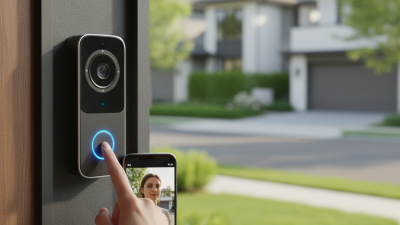
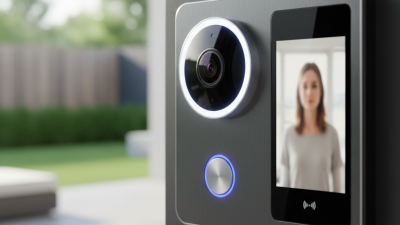
Lately, keeping your home secure has become a pretty big deal for a lot of people. With more and more property crimes happening these days, it’s no wonder that folks are looking for smarter, more advanced security options. Honestly, if you look at the numbers—like a report from MarketsandMarkets—you’ll see that the global market for Video Doorbells is expected to hit around $1.4 billion by 2026. That’s a clear sign people are seriously interested in gadgets like theDoor Phone Camera.
These devices are pretty nifty—they let you see and talk to visitors remotely, giving you that extra layer of security. Brands like Ring and Nest? They’ve really kicked things off in this space, but competition is definitely heating up. Each door camera seems to offer something a bit different—whether it’s high-definition video or two-way talk. Still, with so many options out there, it can be a bit daunting trying to pick the right one.
And, honestly, not all Door Phone cameras perform equally well. Some folks have run into issues like slow connections or blurry images. There’s nothing more frustrating than a laggy feed or a narrow field of view—trust me, I’ve been there. As technology keeps improving, it’s worth thinking about what could be better. The ideal Door Phone Camera should do more than just scare off intruders; it should give you peace of mind, knowing your family and home are safe.
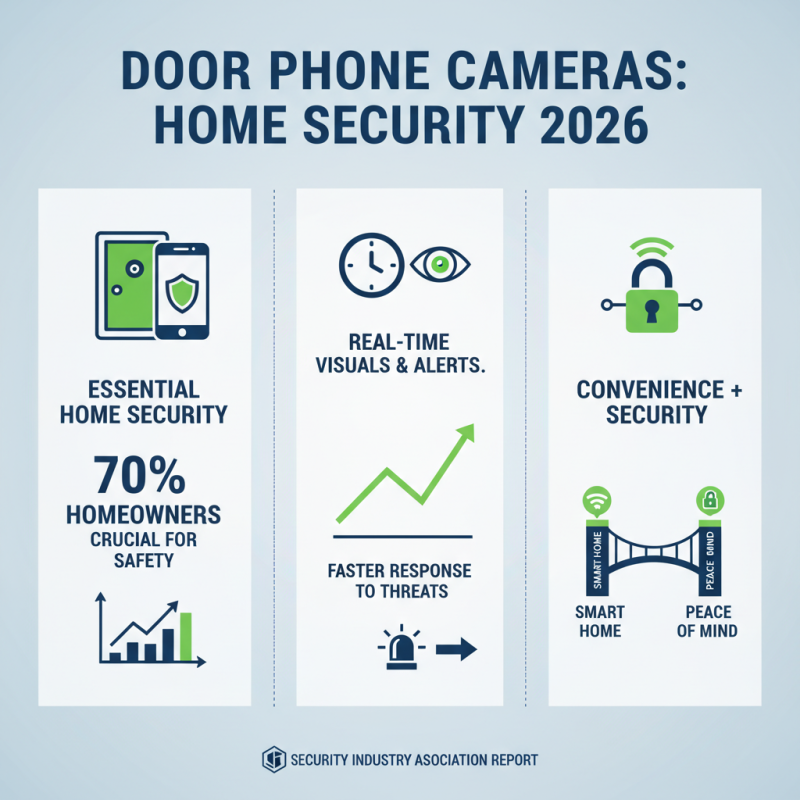
Door phone cameras have become essential for home security. In 2026, the demand for these devices continues to grow. A report by the Security Industry Association highlights that nearly 70% of homeowners see these cameras as a crucial tool for safety. They provide real-time visuals and alerts, increasing response times to potential threats. This technology bridges the gap between convenience and security.
An OEM Door Phone Camera can enhance the entry point's safety. These cameras can integrate with existing smart home systems, allowing users to monitor their property from anywhere. The clarity of video feeds has improved significantly, with many models offering high-definition recordings. However, while these features can deter intrusions, there are challenges. Connectivity issues and privacy concerns remain prevalent among users, leading to a need for better encryption and more reliable connections.
Interestingly, many consumers overlook the importance of installation. Proper placement is vital for maximum effectiveness. A report shows that nearly 30% of homeowners install their cameras incorrectly, which can hinder their performance. The understanding of angles, lighting, and field of view can significantly affect the overall security. Continuous education on these aspects is necessary for those investing in an OEM door phone camera.
When choosing a door phone camera in 2026, focus on key features that enhance home security. High-resolution video is essential. Look for models offering at least 1080p quality. This ensures clear images, even at night. Reports show that 70% of break-ins occur during the night. A reliable camera can deter potential intruders.
Consider models with two-way audio. This feature allows you to interact with visitors remotely. It’s crucial for both security and convenience. Additionally, look for motion detection capabilities. Devices that send alerts can help you stay vigilant. This is especially useful when you’re away from home. According to industry analysis, homes with smart security systems experience 50% fewer burglaries.
When selecting a door phone camera, think about the installation process. Some may require wiring, while others are wireless. A Door Phone Camera Company should offer easy setup options. Also, ensure compatibility with your smart home system. This creates a seamless experience. Remember to weigh your options carefully. Not all models are user-friendly. Regular updates and support can make a big difference too.
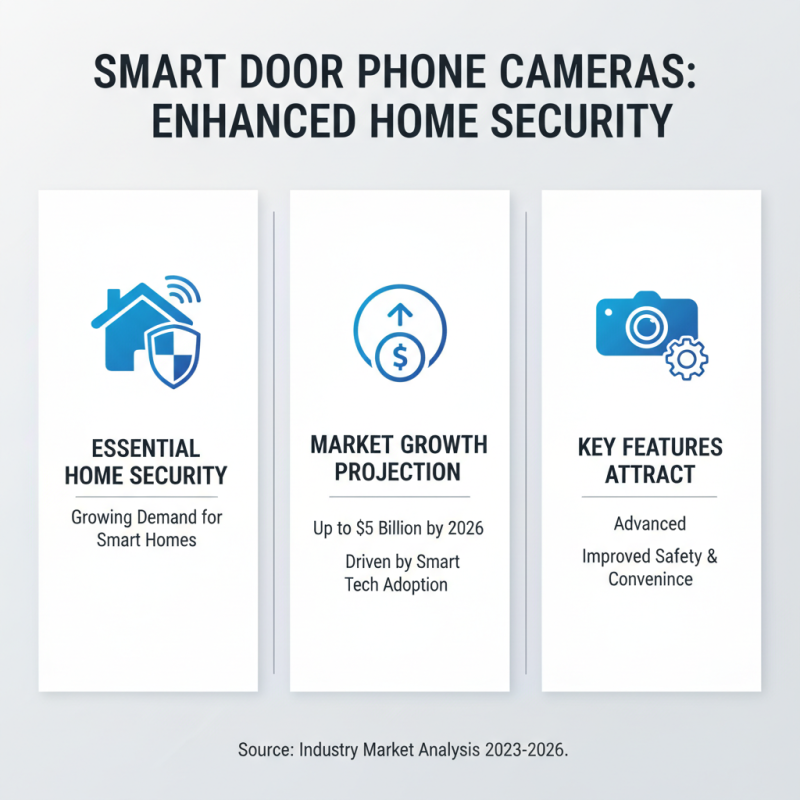
Door phone cameras have become essential for home security. The market for these devices is expected to grow. By 2026, it is projected to reach $5 billion. This growth is driven by increased demand for smart home technology. Advanced features attract homeowners looking to enhance security.
Top models often include high-definition video capabilities. Some devices feature night vision, allowing clear visuals even in the dark. Two-way audio is another beneficial feature. This allows communication with visitors directly through the device. Homeowners appreciate being able to screen visitors before opening the door.
Tips: Always consider the installation process. Some models require professional help, while others are easy to set up. Check for compatibility with existing smart home systems. This can provide seamless integration with other devices. Don’t overlook storage options for video recordings. Some cameras offer cloud storage, while others use local storage solutions.
Investing in a door phone camera provides peace of mind. However, it’s essential to research thoroughly before purchasing. Not every model suits every home. Understanding your specific needs is crucial. Before buying, consider aspects like coverage area and resolution. These factors can greatly impact its effectiveness.
When choosing between wired and wireless door phone cameras, consider the installation process. Wired systems often require drilling and extensive setup. It can be time-consuming. On the flip side, wireless cameras are easier to install. However, they may suffer from connectivity issues. This can impact video quality and reliability.
Battery life in wireless models is another concern. Some devices need frequent charging, which can be inconvenient. Wired cameras usually offer a constant power supply. This means less hassle in maintaining the system. Think about your home's layout before making a decision. If you have multiple entry points, wired systems might provide a more stable solution.
Tip: Always check for the camera’s field of view. A wider angle gives better coverage. It’s also essential to assess how the camera connects to any smart home devices. Look for compatibility with various systems. Research on different Door Phone Camera Companies before purchasing. Each brand has unique features that may influence your choice.
When installing a door phone camera, start by choosing the right location. The camera should have a clear view of the entrance. Avoid obstructions like plants or furniture. Sometimes, the best spot isn’t at eye level. You might want to experiment with a few angles before settling on the final position.
Power supply is critical. If the camera needs to be plugged in, close proximity to an outlet matters. Consider using extension cords if necessary. Be mindful of cable management. Clutter can lead to accidents or damage. Ensure the wires are secured to prevent them from being a trip hazard.
Testing the camera after installation is vital. Sometimes, the picture quality is not as expected. Adjust the camera settings until the clarity is satisfactory. Make sure to check the responsiveness of the two-way audio feature. A clear line of communication can enhance security. Engaging with your neighbors about their experiences can also provide insight. The process isn't always smooth; occasional trial and error is part of the journey.
Integrating door phone cameras with smart home systems is a growing trend. Homeowners seek convenience and security in one package. A door phone camera provides a clear view of visitors while allowing two-way communication. This integration makes monitoring more efficient and accessible.
To make the most of these systems, installation is key. Some users struggle with ensuring compatibility between devices. Not all door phone cameras will work seamlessly with existing smart home setups. It’s crucial to choose the right products based on features and networking capabilities. Homeowners can consult with Door Phone Camera Manufacturers to understand their options.
Privacy is another important consideration. Users must be cautious about data security. Utilizing encryption can help protect against unauthorized access. However, not all solutions guarantee this level of security. Reflecting on these challenges, it’s vital for users to research thoroughly. Balancing convenience with security remains a pressing task for many homeowners.
As we look towards 2026, door phone camera technology is set to evolve significantly. Enhanced image quality will be a game changer. Expect high-definition video feeds and improved night vision capabilities. This will help users identify visitors more clearly, even in low light conditions. However, not all cameras will achieve this quality uniformly. Cost and installation complexity may vary.
Connectivity will also play a crucial role. Many systems will rely on advanced Wi-Fi and cellular connections. This means clearer communications between you and your visitors. But, privacy concerns may emerge as more devices become interconnected. Users must reflect on how to manage their personal data wisely.
Another trend is the integration of artificial intelligence. Cameras might feature facial recognition and motion detection. This could improve security by alerting you to strangers. Yet, these features raise questions about surveillance ethics. Balancing safety and privacy will be essential for homeowners in the future.
| Feature | Description | Expected Price Range | Key Technology |
|---|---|---|---|
| HD Video Quality | 1080p or higher resolution for clear images. | $150 - $300 | IP Technology |
| Night Vision | Infrared or low-light capabilities for nighttime visibility. | $200 - $350 | IR Technology |
| Two-Way Audio | Allows communication with visitors through an app. | $180 - $320 | Smartphone Connectivity |
| Motion Detection | Alerts sent to your phone when motion is detected at your door. | $130 - $270 | AI Analysis |
| Cloud Storage | Recordings stored in the cloud for easy access and retrieval. | $100 - $200 (subscription) | Online Storage Solutions |
| Smart Home Integration | Compatibility with other smart devices for a unified home system. | $150 - $290 | IoT Technology |
: Aim for at least 1080p resolution for clear images, especially at night.
It allows interaction with visitors remotely, enhancing security and convenience.
Cameras that send alerts help you stay aware when away from home.
Think about wiring, power supply, and camera placement for the best coverage.
To ensure image clarity and check the responsiveness of audio features.
Enhanced image quality, improved night vision, and better connectivity options.
Features like facial recognition could alert you to unfamiliar visitors.
Yes, more connections might raise questions about personal data management.
Not all models are user-friendly; some may involve complex setups.
Adjust settings as needed and ask neighbors for insights on their experiences.
In 2026, the importance of Door Phone Cameras in enhancing home security cannot be overstated. These devices not only allow homeowners to see and communicate with visitors at their doorstep but also play a crucial role in deterring potential intruders. When selecting a Door Phone Camera, it is essential to consider key features such as video quality, night vision, motion detection, and integration capabilities with smart home systems.
Comparing wired and wireless models helps users make informed choices based on installation convenience and connectivity. Best practices for installation ensure optimal performance and security, while future trends in Door Phone Camera technology suggest advancements in artificial intelligence and improved connectivity, making these devices even more effective for safeguarding homes. Overall, investing in a reliable Door Phone Camera contributes significantly to a comprehensive home security strategy.