As technology keeps rushing forward in the world of smart security, one area that’s really catching on is the IP Video Intercom system. Looking ahead to 2025, industry folks keep saying that blending new tech with these systems is the way to go — making homes and businesses both safer and more convenient. I remember hearing Simon Berger, a big name in Smart Home tech fromSmartHome Innovations, say, “The future of security is all about smooth communication and live monitoring — that’s exactly what IP Video Intercoms offer.”
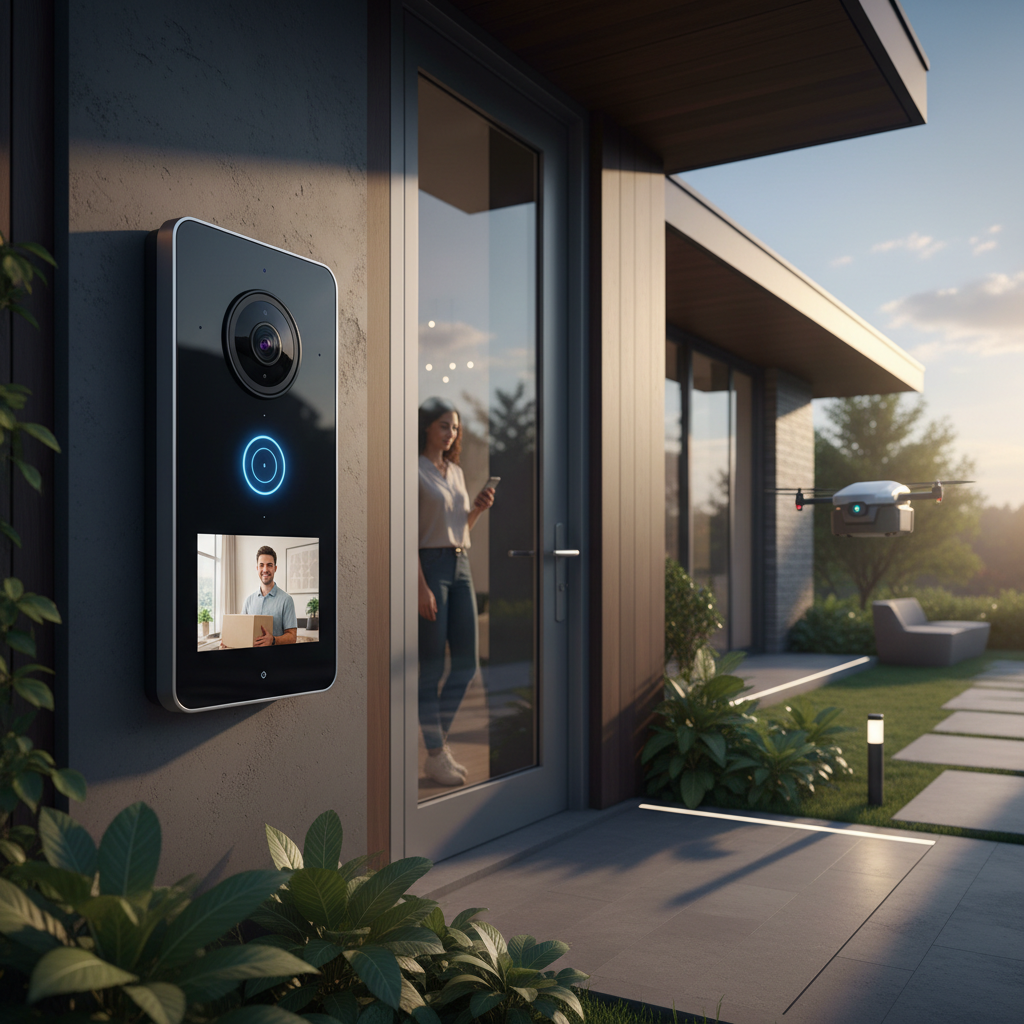
The evolution of IP video intercom systems has greatly transformed the landscape of smart security in recent years. By 2025, industry reports indicate that the global IP intercom market is projected to reach approximately $3.5 billion, with a compound annual growth rate (CAGR) of over 12% from 2020 to 2025. This growth is driven by advancements in technology, including high-definition video, cloud connectivity, and robust cybersecurity measures. Such enhancements empower users to communicate and monitor their premises remotely, ensuring a heightened level of security.
As urban environments become increasingly complex, the demand for efficient and user-friendly intercom solutions has surged. The integration of artificial intelligence (AI) and machine learning (ML) allows for features like facial recognition and automated alerts, which significantly improve response times. According to a recent report by MarketsandMarkets, about 45% of consumers are willing to invest in smart intercom systems that feature seamless integration with smartphones and smart home devices. As we approach 2025, the emphasis will likely shift toward not only enhancing functionality but also ensuring that these systems are accessible and intuitive for everyday users, thereby making smart security an integral part of modern living.
As the demand for smart security solutions continues to rise, modern IP video intercom systems are evolving rapidly. These systems are becoming essential for residential and commercial properties, offering enhanced communication and security features. When choosing an IP video intercom, it is crucial to consider key features that enhance functionality and user experience. High-definition video quality ensures clear visuals, while two-way audio capabilities allow for seamless communication between visitors and residents. Additionally, mobile integration should be a priority, enabling users to interact with their intercom system from anywhere via their smartphones.
Another significant factor to consider is scalability. Modern intercom systems should support multiple units, making it easier to expand the setup as needed. Advanced security features, such as cloud storage for video recordings and smart alerts, are also essential for ensuring comprehensive monitoring capabilities. With these advancements, IP video intercoms not only serve their basic functions but also integrate with other smart home security systems, providing users with a centralized platform for managing their security needs effectively.
The IP video intercom market is set to experience significant growth by 2025, driven by advancements in technology and increasing demand for smart security solutions. A recent report highlights that this market is projected to expand at a robust compound annual growth rate (CAGR), fueled by features like high-definition video quality, mobile accessibility, and integration with smart home systems. As more consumers seek to enhance their home security, brands that prioritize innovation and cost efficiency are emerging as leaders in this competitive landscape.
Key players in the market are recognized for their superior feature sets, which include two-way audio, remote access, and AI-powered monitoring. These advancements not only improve the overall user experience but also provide enhanced safety measures against potential threats. Additionally, the rise of smart doorbell cameras reflects a shift in consumer preferences towards devices that allow for real-time screening of visitors and package deliveries. The growing trend for home automation serves as a catalyst for these technologies, indicating a promising future for brands that are dedicated to delivering high-performance intercom systems.
| Feature | Specification | Rating (out of 5) | Price (USD) |
|---|---|---|---|
| Video Quality | 1080p HD | 4.5 | $249 |
| Audio Quality | Full Duplex | 4.7 | $199 |
| Connectivity | Wi-Fi & Ethernet | 4.6 | $299 |
| Mobile App Support | iOS & Android | 4.8 | $259 |
| Night Vision | Yes | 4.5 | $279 |
| Two-Way Communication | Yes | 4.6 | $229 |
The choice between wired and wireless video intercom systems continues to be a critical decision for security-conscious homeowners and businesses in 2025. Wired systems are often recognized for their reliability and superior video quality. According to a report by Mordor Intelligence, the global wired video intercom market is projected to grow at a CAGR of 7% from 2023 to 2028, driven by advancements in technology and an increasing demand for secure environments. These systems tend to provide a stable connection and are less susceptible to interference, making them ideal for larger properties where distance can impact performance.
Conversely, wireless video intercom systems have surged in popularity due to their flexibility and ease of installation. A study by Global Market Insights highlights that the wireless intercom market is expected to exceed $1 billion by 2027, primarily due to the rise in smart home technologies. Wireless systems offer the advantage of quick setup and the ability to integrate with existing smart devices, which is appealing to tech-savvy consumers looking for convenience. However, potential issues such as signal interference and battery reliability should be weighed against the benefits of a wired option, especially in high-security areas. As users assess their needs, understanding these fundamental differences will aid in making an informed decision.
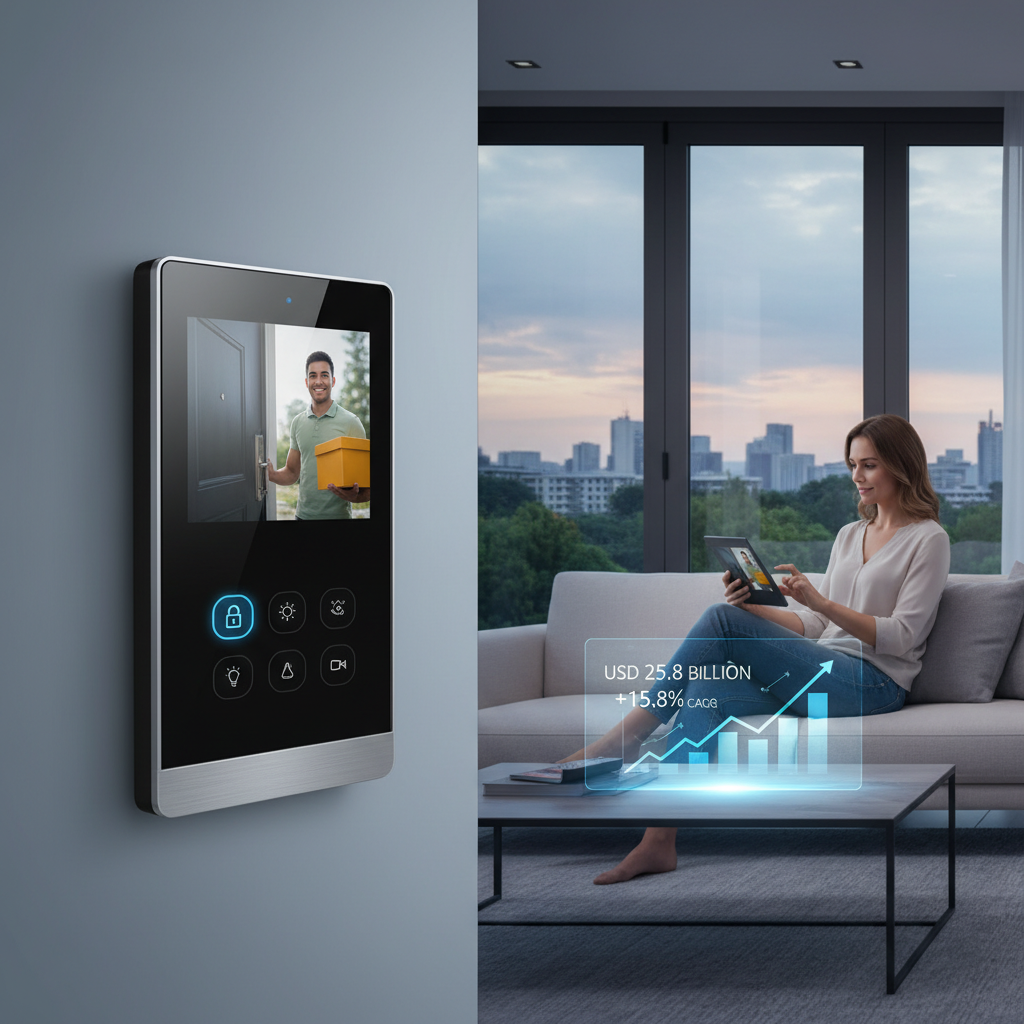
The evolution of IP video intercom systems is significantly enhancing home security and user experience. With the global market for IP video intercom devices predicted to reach a valuation of USD 25.8 billion by 2024, and an impressive CAGR of over 15.8% from 2025 to 2034, these systems are becoming a vital component of modern smart homes. Innovations like seamless integration with existing smart home technology allow homeowners to manage their security via user-friendly apps, providing personalized experiences that enhance overall safety.
Tips for users considering an IP video intercom system include evaluating the system's compatibility with other smart home devices. Look for features such as AI integration, which can automate security responses and improve communication efficiency. For instance, systems that enable remote unlocking of doors via video connectivity enhance accessibility without compromising security. This level of integration reflects a broader trend towards cloud-based solutions that offer continuous connection and real-time alerts, ensuring users are always informed and secure.
As technology advances, expect further enhancements in this space, such as upgraded user interfaces and improved installation processes that simplify setup for homeowners. This shift not only ensures a superior user experience but also reinforces the importance of comprehensive security in our increasingly automated lives.
As we delve into the future of IP video intercom systems, the integration of advanced technologies and AI-driven features is set to redefine security solutions by 2025. The global IP camera market is projected to grow significantly, from $5.94 billion in 2024 to $16 billion by 2032. This immense growth underscores a rising demand for smart security systems that leverage AI to enhance user experience and safety. AI video technology is already revolutionizing content creation, simplifying processes for users to generate engaging virtual characters and IP, which translates to a rapidly expanding market ready to embrace innovative intercom systems.
In addition to the increasing adoption of AI in security infrastructure, the video surveillance market is on a promising trajectory, with an anticipated growth from $111.2 billion in 2018 to $336 billion by 2026, reflecting a CAGR of 6.8%. As video intercom technologies become smarter and more integrated, they will provide seamless connectivity alongside robust security features. The convergence of AI innovations and enhanced video intercom capabilities will pave the way for next-generation smart homes, where security meets convenience, ultimately creating a more interconnected and secure living environment.
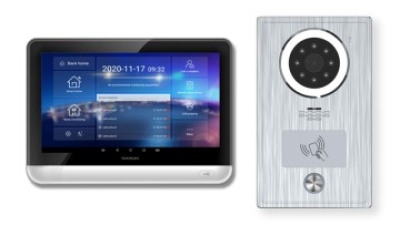
In the rapidly evolving landscape of home communication, smart intercom systems such as the 20H & DA-X2 7 Inch Smart IP Intercom Kits stand out for their remarkable effectiveness and user-friendly features. Designed with easy setup in mind, these kits offer a true plug-and-play experience, making them accessible for any homeowner. With just one touch, users can initiate calls, converse, and even unlock their doors, streamlining everyday interactions and enhancing security.
Connectivity is at the core of these smart intercom kits. By leveraging WiFi for internet access, homeowners can enjoy cloud-based monitoring and intercom capabilities from anywhere at any time. This level of convenience is further amplified with smartphone app control, allowing for manual adjustments and monitoring directly from a mobile device. Additionally, the integration with smart home systems means that these intercoms can serve as a central hub for various smart devices, enhancing the overall functionality of the home.
The power supply options of the 20H & DA-X2 kits provide flexibility with standard Power over Ethernet (PoE) or DC 12V, making installation straightforward regardless of existing infrastructure. As we look towards the future, the ability to combine advanced features with effortless usability positions these intercom systems as essential tools for the modern home, ensuring not only enhanced communication but also increased peace of mind for families.
: Key features to consider include high-definition video quality, two-way audio capabilities, mobile integration for remote access, scalability to support multiple units, and advanced security features like cloud storage and smart alerts.
The IP video intercom market is projected to expand significantly, driven by technological advancements, high demand for smart security solutions, and a robust compound annual growth rate (CAGR).
Top brands are known for their innovative feature sets, which often include two-way audio, remote access capabilities, and AI-powered monitoring systems.
There is a growing preference for devices that allow real-time visitor screening and package delivery monitoring, indicating an increased interest in smart integration and automation.
The integration of advanced technologies, particularly AI-driven features, is anticipated to redefine security solutions, offering enhanced user experiences and improved safety.
AI is expected to revolutionize user interactions with intercom systems, facilitating smarter monitoring and enhancing overall security functionalities.
The video surveillance market is expected to grow from $111.2 billion in 2018 to $336 billion by 2026, reflecting a compound annual growth rate of 6.8%.
As intercom systems become more integrated and intelligent, they will enhance connectivity and security, paving the way for next-generation smart homes that prioritize convenience and safety.
Mobile integration allows users to interact with their intercoms remotely via smartphones, providing greater flexibility and control over their security systems.
Cloud storage enables users to securely save video recordings, while smart alerts ensure timely notifications for enhanced monitoring and security.
The article "Explore the Best IP Video Intercom Systems of 2025 for Smart Security" delves into the evolution and advancements of IP Video Intercom technology, highlighting the significant shifts anticipated in 2025. It outlines key features that consumers should consider when selecting modern IP Video Intercom systems, emphasizing essential attributes such as connectivity, video quality, and user-friendly interfaces. The discussion also includes a comparative analysis of wired versus wireless solutions, placing emphasis on user experiences that enhance home security.
Leading brands in the IP Video Intercom market, including innovative companies like Zhuhai Taichuan Cloud Technology Co., Ltd., are showcased for their contributions to smart security systems since 1999. The company’s commitment to innovation and its impending IPO mark a new chapter in its legacy. The article concludes with future trends in IP Video Intercom technology, focusing on smart integration and its potential to redefine home security landscapes.