Picking the right Office Intercom Phonesfor your business can honestly feel a bit overwhelming. With so many options out there, it’s super important to make the right choice. I remember talking to John Thompson, a communications expert over at Intercom Solutions, and he said, "Getting the right Intercom System can really boost communication and keep your workplace safer." That really hit home for me—it highlights just how big of a deal this decision is.
When you're looking at Office Intercom Phones, think about what you actually need. Are you running a small office that just needs something simple, or do you have a larger space that calls for a more advanced setup? Details matter, for sure. Also, don’t forget to consider audio quality and how easy it is to use the system—nothing worse than a setup that's a pain to operate and just ends up frustrating everyone.
And hey, don’t overlook your office’s physical layout. The building’s design might impact how well the intercom works. Checking these things out beforehand can really help you pick something that fits well. Also, take a moment to think about any issues you’re facing with your current system—then see how new Office Intercom Phones could fix those problems. A bit of planning here can really make a big difference in how smoothly things run every day.

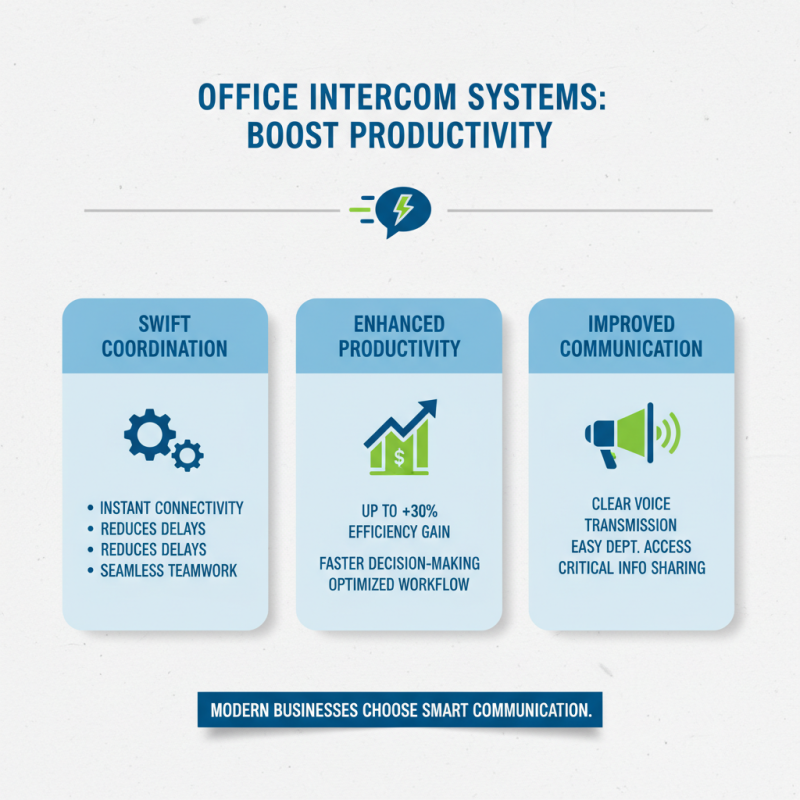
Office intercom phones play a vital role in enhancing communication within businesses. According to recent studies, businesses can increase productivity by up to 30% simply by improving internal communication. This is where the importance of choosing the right intercom systems becomes clear. Efficient intercom phones ensure that employees can coordinate swiftly, minimizing delays in communication.
When selecting office intercom phones, consider the size of your business. A smaller business may not require as many features as a larger enterprise. Look for systems that allow easy scalability. Ensure your choice supports both voice and video communication. User-friendly interfaces are crucial; staff training time could be reduced significantly with intuitive devices.
Another tip is to evaluate the features that matter most to your team. Integrated systems, such as OEM Office Intercom Phones, can streamline operations by connecting with other office tech. However, not every feature will be essential. Some businesses may find that their needs evolve. Being open to revisiting your choice of intercom phones can lead to improved efficiency down the line. Always consider feedback from users to make better-informed decisions.
When selecting office intercom phones, several key features should not be overlooked. The clarity of audio is crucial. Poor sound quality can disrupt communication. According to a recent industry report, 70% of employees consider clear communication vital for productivity.
Another essential aspect is integration with existing systems. Many offices already use communication tools. The ability to connect with these tools can increase efficiency. Data shows that businesses that utilize integrated communication systems see a 30% increase in operational efficiency. Usage flexibility is also important. Phones should be able to function across various devices, including desktops and mobile phones.
Consider the durability of the devices. Office environments can be tough. Intercom phones should resist wear and tear. A report indicated that 40% of companies faced issues with equipment failure. Regular maintenance can help, but it’s wise to choose robust models. Lastly, ensure that security features are up to date. Intercoms without proper security can leave businesses vulnerable. Assessing each of these aspects can lead to a better choice for your business communication needs.
When choosing intercom systems for your office, consider the type: wired or wireless. Wired systems often offer more reliability. They have a direct connection, minimizing interference. These systems can sometimes be difficult to install, requiring drilling. However, they provide clearer sound quality.
Wireless intercoms are more convenient. They are easy to install and relocate. However, they may face interference from other devices. Battery life can also be a concern. You might notice delays in communication.
Here are a few tips: Think about your specific needs. How large is your office? Consider the distances involved before making a choice. Each option has its strengths and weaknesses. Weigh these carefully. Regularly reflect on your intercom system's performance to ensure it meets your business demands.
When considering intercom placement in your office, start by assessing the size and layout. An open-plan office may benefit from a centralized intercom system. This ensures everyone can hear announcements clearly. For smaller rooms, individual units may work better. Look at your floor plan carefully.
**Tip:** Evaluate the traffic flow in your office. High-traffic areas should have more accessible intercom units. Place them at key entry points and near common workspaces. This placement fosters communication among staff members.
Keep in mind the possible obstacles. Walls, furniture, and fixtures can obstruct audio signals. You might discover that certain areas are quiet but isolated. Employees in those spots may miss important messages. Collaborating with an experienced Office Intercom Phones Company can help identify the best spots for installation. Make this decision together to improve connectivity throughout your workplace.
| Criteria | Description | Importance Level |
|---|---|---|
| Office Size | Total square footage of the office, influences the number of intercom units needed. | High |
| Layout Type | Open floor plan or cubicles; affects intercom placement and effectiveness. | Medium |
| Connectivity | Wired vs wireless options, impacts installation and reliability. | High |
| User Features | Additional features like video support, intercom-to-phone connectivity. | Medium |
| Budget | Total cost considerations for initial purchase and ongoing maintenance. | High |
| Scalability | Ability to expand the intercom system as the business grows. | Medium |
When choosing office intercom phones, budget considerations play a crucial role. Establishing a clear budget helps narrow down options. Many features can inflate costs, so identify what’s essential for your business. For instance, basic intercom systems might suffice for small offices, while larger enterprises may require more advanced capabilities.
Consider ongoing costs beyond initial setup. Maintenance, service plans, and potential upgrades can strain finances. If the system requires specific technology, factor in these additional expenses. Look at features like expandable options. Investing in a system that grows with your business might save money in the long run.
Be wary of overly cheap products. They may lack reliability and durability. Research and compare different models. You might find something slightly higher in price performs better and lasts longer. Investing wisely in intercom phones reflects your commitment to effective communication within your office.
When selecting office intercom phones for your business, compatibility is crucial. Many companies use existing communication systems. It’s essential that your new intercom seamlessly integrates with what you already have. Incompatibility can lead to frustration and wasted resources. Conduct thorough research on system specifications before making a purchase.
Consider the type of network you currently operate on. Is it analog or digital? This will dictate what intercom systems are suitable. Some office intercom phones connect easily with VoIP systems, while others may not. You should test compatibility in a controlled setting. This can help identify potential issues before installation.
Engaging with Office Intercom Phones Companies can provide insights into these concerns. Their expertise is valuable when assessing compatibility. However, don’t rely solely on their recommendations. Analyze your unique communication needs, and engage in discussions with your team. They can offer input based on their daily interactions. This collaborative approach may uncover details that otherwise go unnoticed. Planning ahead and reflecting on your current setup can save significant headaches down the line.
When selecting office intercom phones, customer support and warranty options should not be overlooked. According to a recent industry survey, companies that prioritize customer service see a 30% increase in overall satisfaction. When choosing an intercom system, consider response times from the Office Intercom Phones Manufacturer. Quick, helpful responses can save you time and money.
Warranties vary significantly among manufacturers. A report from Tech Market Insights indicates that devices with longer warranty periods tend to have lower failure rates. It’s essential to inquire about warranty coverage before making a purchase. Sometimes, cheaper units come with limited support. You might save upfront but face unexpected costs down the line.
Don’t forget to assess after-sales support. Many businesses report frustrating experiences when trying to get help during installation or troubleshooting. A reliable support system can make or break your experience. Look for manufacturers with strong reputations in customer feedback. Investing in quality support is as crucial as the intercom itself.
: The article aims to provide useful information on a specific topic.
This article is intended for individuals interested in the topic.
You can implement the suggestions in real-life situations for better outcomes.
Yes, the article includes various examples to illustrate key points.
The content is accessible but may also challenge advanced readers.
You can seek clarification on specific points through further research.
Yes, some concepts may not be clear for all readers.
Absolutely, applying these ideas can improve daily decision-making.
Yes, simplifications can lead to missed nuances and deeper insights.
Consider how the information relates to your experiences and beliefs.
When selecting Office Intercom Phones for your business, it's crucial to understand their significance in enhancing internal communication. Key features to consider include sound clarity, ease of use, and integration capabilities. Additionally, businesses must weigh the benefits of wired versus wireless intercom systems based on their office layout and size.
Budget is another essential factor, as it impacts the choice of features and technology. Ensuring compatibility with existing communication systems will streamline operations, while robust customer support and warranty options provide peace of mind for long-term use. By carefully evaluating these aspects, businesses can choose the right Office Intercom Phones that meet their communication needs effectively.