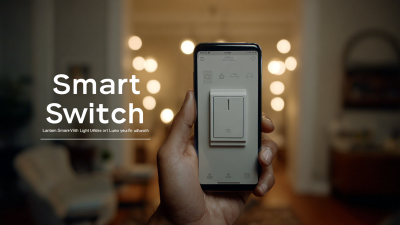
In today's super busy business world, coming up with innovative solutions is more important than ever. Take the Smart Button, for example. It can really help smooth out operations, boost how you connect with your customers, and make everything run more efficiently. If you’ve looked at recent reports—like the one from MarketsandMarkets—they say the Smart Button market might hit around $2.4 billion by 2025. That’s a clear sign that more and more sectors are jumping on the connected device bandwagon. But hey, before you pick one, it’s a good idea to really think about what you actually need.
Choosing the right Smart Button isn't just about tech specs. You gotta understand both the tech side of things and what your users will actually find easy and intuitive. According to Gartner, about 75% of companies now say they’re focusing on making devices simple to use. When the devices are user-friendly, people tend to adopt them faster and are happier using them. Still, don’t just chase after the shiny new gadgets because they’re trendy—take a step back and really assess your own requirements. It’s easy to get carried away and make a choice based on hype rather than what actually works for you.
The best Smart Button should fit in smoothly with what you already have in place. It needs to work reliably and come with solid support from the provider. Doing some thorough homework before buying can save you from a lot of headaches later on. Companies that take the time to really think about what they need can end up making a smart investment—literally—and enjoy many benefits from their new gadget.
Understanding Smart Buttons and Their Features
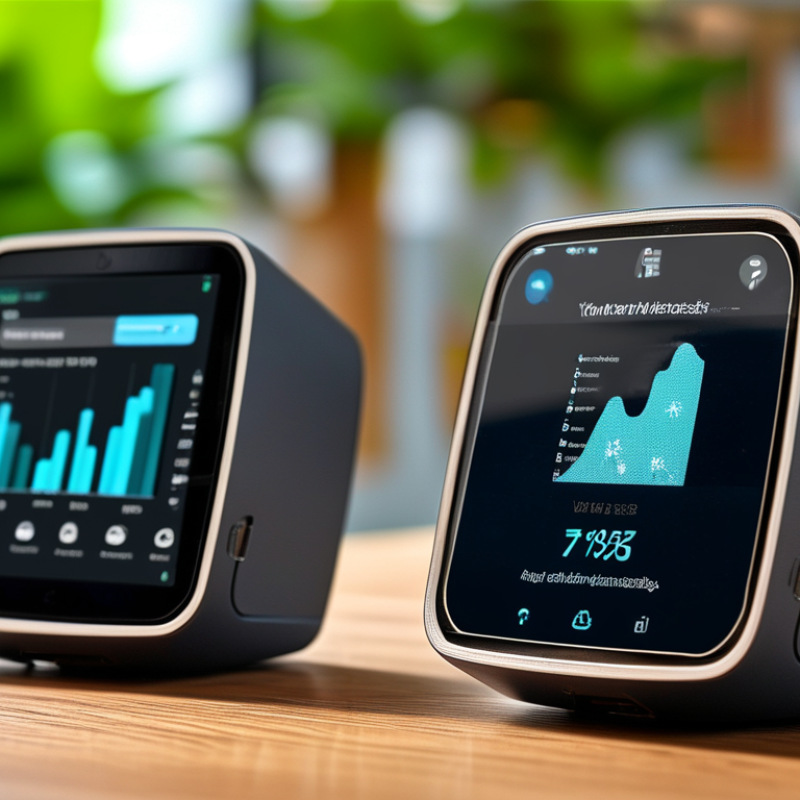
Smart buttons are versatile tools that can significantly enhance operational efficiency. They enable quick access to services or applications through a simple tap. Research indicates that businesses integrating smart buttons see an increase in customer engagement by up to 30%. This statistic highlights their potential in improving customer interaction.
When selecting a smart button for business use, understanding its features is crucial. Look for wireless capabilities, battery life, and customization options. Some devices offer real-time analytics, which can provide insights into user behavior. A report from the International Data Corporation notes that organizations utilizing smart technology can reduce operational costs by approximately 15%. This is an aspect worth considering when choosing a suitable model.
However, implementing smart buttons is not without challenges. Integration with existing systems may require technical expertise. Additionally, businesses must ensure robust security measures are in place. According to a recent study, nearly 40% of organizations have faced cybersecurity threats when deploying IoT devices. Reflecting on these points can guide businesses in making informed decisions about smart button deployments.
Identifying Your Business Requirements for Smart Buttons
Identifying your business requirements for smart buttons is crucial. The first step is to understand your specific use cases. Are you looking to streamline operations or enhance customer engagement? Assess which tasks you want to simplify. For instance, a smart button can trigger alerts, reorder supplies, or even connect teams. Knowing the intended function helps narrow down options.
Next, consider the environment where the button will be used. Is it a busy retail space, a quiet office, or an outdoor venue? The setting can impact durability and connectivity needs. For example, moisture-resistant buttons may be necessary for outdoor settings. Similarly, a button with strong connectivity is vital in large spaces with physical barriers.
It’s also important to think about user interaction. Will your employees or customers be using the button? Their comfort and ease of use should guide your choice. Some buttons might be too complex or small for quick responses. Remember, feedback from potential users can be invaluable. Testing several options can reveal what’s best suited for your business needs.
Comparing Different Types of Smart Buttons Available
When selecting a smart button for your business, it’s essential to evaluate the various options available. Smart buttons range from simple, single-function devices to complex, multifunctional systems. Each type serves different operational needs, influencing both user experience and efficiency. A report from Industry Research indicates that 40% of businesses using smart buttons have significantly improved operational speed.
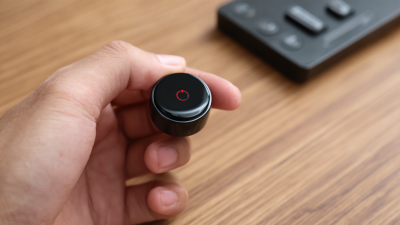
Tapo Smart Button, for instance, provides users with a straightforward interface. Its compact design allows for easy integration into various environments. In contrast, other smart button models may offer advanced features, such as programmable shortcuts or customizable settings. These complexities can sometimes overwhelm users, hindering their effectiveness.
Moreover, businesses need to consider their specific requirements. A focus group study revealed that many users find multi-function buttons unnecessary, preferring reliability and simplicity in core tasks. While advanced features can enhance functionality, they may also introduce potential issues. Balancing these aspects is crucial for optimal performance and user satisfaction.
Evaluating Compatibility with Existing Systems
When selecting a smart button for your business, evaluating compatibility with existing systems is crucial. Many organizations overlook this aspect, leading to wasted resources. According to recent surveys, about 30%of businesses face integration issues with Smart Devices. This can result in increased operational costs and frustration. Companies should ensure that the selected button works seamlessly with their current infrastructure.
Compatibility not only reduces potential disruptions but also enhances user experience. Integration challenges may include difficulties in software communication or device recognition. For instance, 45% of IT professionals reported that incompatibility resulted in a negative user experience. Conducting technical assessments and pilot tests allows businesses to identify potential hurdles early on.
Moreover, training staff is often overlooked. Even the most compatible devices require an understanding of their functions. Reports indicate that 40% of employees feel unprepared to use new technology due to inadequate training. Smart buttons should complement staff workflows, enhancing productivity rather than complicating it. Taking these factors into account can lead to more informed decisions.
Assessing the User Interface and Experience
When selecting a smart button, user interface and experience play a central role. A well-designed interface can significantly improve employee efficiency. Users should engage easily with the button’s functionality. Look for intuitive layouts that require minimal training. Complex designs can frustrate users, leading to errors and decreased productivity.
Testing the interface with potential users is crucial. Gather feedback on their experiences and preferences. Observing how they interact with the device can reveal areas for improvement. Brands must prioritize ease of use in their development processes. An OEM Smart Button should seamlessly integrate with existing systems, providing a natural fit for daily operations.
Consider the overall experience, not just the interface. Users may struggle with connectivity issues or unclear visual feedback. Monitoring these interactions can inform necessary adjustments. Focusing on practical functionality rather than solely aesthetics ensures better user satisfaction. Businesses need to evaluate these aspects continuously to enhance their workflows.
Considering Security and Data Privacy Aspects
When selecting a smart button for your business, data privacy must be a priority. Many solutions claim top-notch security but fail to deliver. A solid understanding of how these smart buttons store and transmit data is essential. For instance, some devices use encryption methods that are more secure than others. Knowing the differences can save businesses from potential data breaches.
Consider conducting thorough research on the Smart Button Company before making any decisions. What are their protocols for handling data? Are they transparent about their practices? A reputable company will clearly outline their security measures. Look for certifications or third-party assessments that validate their claims. Even a small oversight in your choice can lead to significant vulnerabilities.
Moreover, user experience and comfort level with these devices play a crucial role. Training staff on data security practices is key. Employees need to understand potential risks associated with technology. They should know how to identify suspicious activities or breaches. It’s not enough to implement a smart button; the surrounding ecosystem must be secure as well. Being proactive in these areas fosters a reliable environment for your business.
Smart Button Features Comparison - Security and Data Privacy
The following chart compares various smart button options based on their security features and data privacy measures. Each option is evaluated on a scale from 1 to 10, where 10 represents the highest level of security and data privacy.
Analyzing Cost-Effectiveness and Return on Investment
When selecting a smart button for your business, cost-effectiveness is crucial. It involves not just the purchase price but also maintenance and additional features. Evaluating the return on investment (ROI) helps determine long-term value. A well-chosen smart button can lead to improved efficiency and productivity. However, it's essential to analyze the actual costs against the expected benefits regularly.
Consider the specific needs of your operation. Do you need a basic model, or would an advanced option be more beneficial? Sometimes, cheaper models might save money upfront but lack the features that justify the investment later. For instance, an OEM Tapo Smart Button may offer excellent functionality and cost savings over time. Always weigh importance against budget constraints. Sometimes, it's easy to overlook hidden costs or overestimate projected savings.
Investing in a smart button should align with your business goals. Examine how frequently your team will utilize the button's functions. It's crucial not to rush this decision. Taking the time to analyze your unique circumstances can unveil insights that lead to better choices. Reflection on previous purchases may help shed light on what truly works for your organization. In the end, the goal is a smart button that enhances workflow without draining resources.
Enhancing Your Smart Home Experience with the TC-U9AIZK-A12S 12.3” Android Control Screen: A Comprehensive Guide
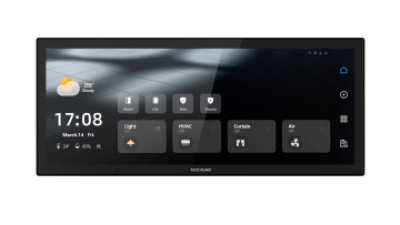
The TC-U9AIZK-A12S 12.3” Android Control Screen epitomizes the future of Smart Home technology. With its Android OS 11, users can enjoy seamless performance and enhanced functionality, allowing for smoother interaction and better responsiveness. The impressive 12.3" IPS capacitive touch screen with a resolution of 1920x720 ensures a vibrant display, making control intuitive and visually appealing. This device not only consolidates smart home controls but also supports third-party applications, thereby increasing its versatility and usability within varied ecosystems.
One standout feature of the TC-U9AIZK-A12S is its built-in Zigbee gateway, which facilitates the integration of numerous smart devices, effectively managing a connected environment. With four built-in relays dedicated to controlling lights, users can easily personalize their home lighting ambiance right from their control screen. Additionally, the inclusion of a proximity sensor enhances interactivity, allowing the device to respond to users’ presence. The dual stereo speakers provide high-quality audio, ensuring that any multimedia experience is enriched, while the capability for real-time video monitoring through IP camera integration adds a critical layer of security.
Moreover, the TC-U9AIZK-A12S integrates standard Power over Ethernet (POE) and versatile connectivity options, including RJ45, WiFi, and RS485, making it adaptable to various network setups. Reports suggest that the smart home market is projected to reach $174 billion globally by 2025, underscoring the importance of incorporating such innovative solutions to enhance user experience in residential spaces. Features like 4-channel alarm input and magnetic wall mounting further exemplify how the TC-U9AIZK-A12S is designed not only for functionality but also for user convenience, playing a crucial role in creating a cohesive smart home environment.
FAQS
: Smart buttons range from simple, single-function models to complex, multifunctional systems.
About 40% of businesses using them report improved operational speed and efficiency.
Not necessarily. Some users find advanced features overwhelming and prefer simplicity.
Assess your specific needs and whether a basic or advanced model fits better.
It’s crucial. Consider not just the purchase price but also maintenance and additional features.
Sometimes yes, but they may lack essential features that justify the cost over time.
Reviewing past purchases can provide insights into what truly enhances workflow.
Frequency of use is essential in determining the right smart button for your business.
Yes, it’s easy to overlook these costs, affecting the overall investment decision.
No, taking time for analysis can lead to more informed and beneficial choices.
Conclusion
In today's fast-paced business environment, selecting the best Smart Button is essential for enhancing operational efficiency and improving customer interaction. Understanding the features of Smart Buttons allows businesses to identify their specific requirements, ensuring they choose a product that aligns with their operational goals. By comparing different types of Smart Buttons, organizations can assess compatibility with existing systems and consider the user interface to ensure a seamless experience for both employees and customers.
Additionally, it's crucial to factor in security and data privacy measures when evaluating Smart Buttons, as protecting sensitive information is paramount. Finally, analyzing cost-effectiveness and potential return on investment will help businesses make informed decisions that drive long-term success. By taking these considerations into account, companies can select the most suitable Smart Button solution to meet their unique needs.

 Instruction Manual