Leave Your Message


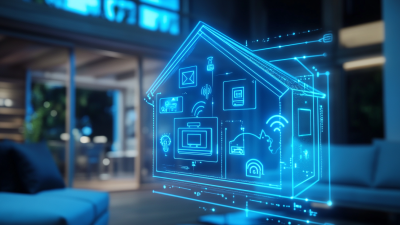
As we step into this new era of tech innovation, the idea of Smart Homes is really starting to make a big difference in how we live. I came across a report from Mordor Intelligence that says the global smart home market could hit a whopping USD 174 billion by 2025. That’s a huge shift towards more intelligent living spaces that boost comfort, security, and efficiency—kind of exciting, right? Companies like Zhuhai Taichuan Cloud Technology Co., Ltd., which has been around since 1999, are leading the charge in this smart Intercom revolution. With their upcoming IPO, it’s clear they’re serious about changing how we experience our homes with cutting-edge tech. Honestly, thinking about the future of these smart living spaces just makes me wonder how much brighter and more connected our lives could become. It’s pretty clear that smart home solutions aren’t just gadgets anymore; they’re shaping the way we live and making things way better overall.

You know, our living spaces are changing so fast right now, all thanks to advances in AI and what people are really looking for—more personalized homes that just feel right for them. If you haven’t heard, the smart home market’s expected to hit around $174 billion by 2025. That's a clear sign that folks want integrated tech that makes life easier and more efficient. Companies are really jumping on this, using AI to make homes that sort of “get” what you're into—your routines, preferences, and habits—changing the whole idea of what it means to live comfortably at home.
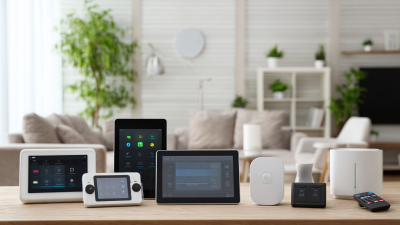
And it’s not just about gadgets. These days, smart tech is being woven into everything—appliances, even the very structure of new homes—making everything work together smoothly and automatically. There's also a big focus on being eco-friendly, especially among younger folks. For example, a recent survey showed that a whopping 72% of Gen Z homebuyers see smart technology as essential. It’s pretty wild how much expectations are shifting. As these intelligent living spaces become more common, they’re not just improving how we live but also helping make our cities more sustainable in the long run.
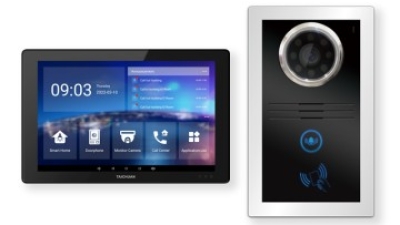
Enhancing home communication has never been easier than with the 18B & DA-X1 10 Inch Smart IP Intercom Kit. This comprehensive guide explores the various features that make this intercom system a standout choice for modern households. One of the key advantages of this kit is its plug-and-play setup, allowing users to get started quickly without the hassle of complicated installations. With one-touch calling, talking, and unlocking, homeowners can enjoy seamless communication and greater control over their home environment.
Connectivity is another major feature of the 18B & DA-X1 intercom system. Its ability to connect to WiFi means you can easily access the system from anywhere with an internet connection. The smartphone app provides manual control, enabling you to monitor your home and communicate with visitors in real time, whether you're in the next room or miles away. Moreover, the cloud intercom functionality ensures that monitoring is possible anytime, anywhere, bringing peace of mind to homeowners.
Integration with smart home systems further enhances the utility of the 18B & DA-X1 kit. As a part of your smart home ecosystem, this intercom can be powered via standard PoE (IEEE802.3af) or a DC 12V supply, providing flexibility in installation. This sophisticated device not only elevates the standard of home communication but also contributes to the overall security and convenience that every modern home needs.
: The advancements in artificial intelligence are driving the evolution of intelligent living spaces, allowing for personalized experiences and tailored solutions for homeowners.
It is projected that 1.5 billion households will adopt smart technologies by 2025.
Bespoke AI appliances are innovative home devices that focus on seamless integration across various home devices, enabling users to manage their environments effortlessly.
Smart thermostats and energy management systems learn users' habits to adjust power consumption, leading to lower utility bills and reduced energy waste.
Smart homes contribute to sustainability by utilizing energy-efficient technologies, renewable energy sources, and water-saving systems, reducing their carbon footprint and environmental impact.
The global smart space market is anticipated to expand from $15.1 billion in 2024 to approximately $372.3 billion by 2032.
AI enhances user experiences in smart homes by allowing devices to learn user preferences and engage in meaningful interactions, creating a cohesive living experience.
Examples of eco-friendly technologies in smart homes include smart irrigation systems that conserve water and the use of sustainable materials in home construction and furnishings.
The market shift toward intelligent spaces is significant as it reflects growing demand for smarter, more sustainable living environments that align with global goals for net-zero emissions.
Generative AI features enable smart home devices to engage in conversations with users, enhancing connectivity and creating more personalized living experiences.
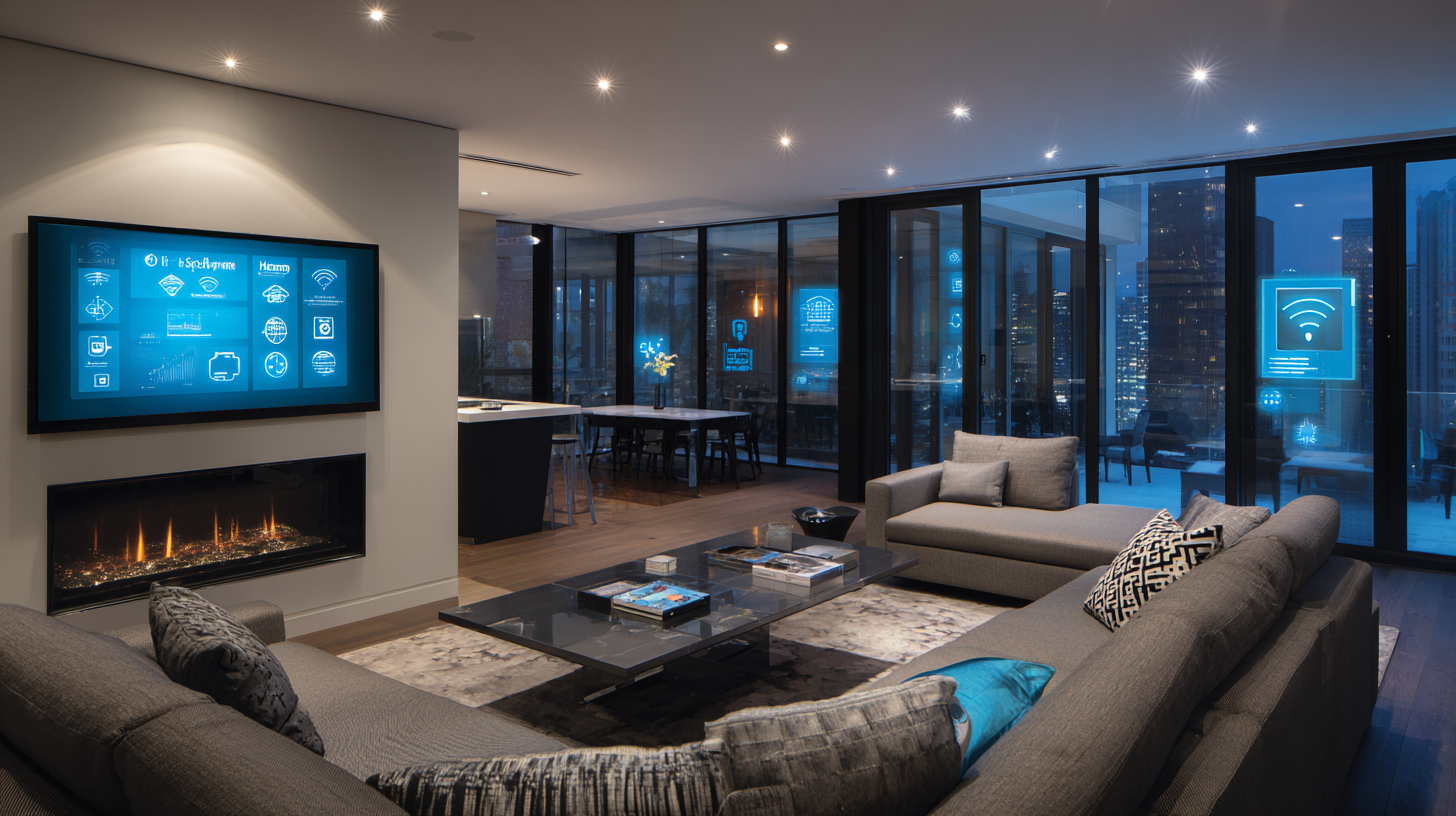
Have you ever thought about what the future holds for our living spaces? Well, the blog titled "The Future of Intelligent Living Spaces" dives into how smart homes are changing and the tech that's making it all possible. It talks about things like home automation, highlighting different tools and platforms that can really make daily life easier and more comfortable. With AI becoming more integrated, homeowners can expect personalized experiences — sort of like having your home tuned just for you. Plus, there's a big focus on being environmentally friendly, with energy-saving and eco-conscious solutions that fit right into modern lifestyles.
Looking ahead, the article paints an exciting picture of what’s coming next — new innovations that could totally change how we interact with our homes. And, on that note, Zhuhai Taichuan Cloud Technology Co., Ltd., a company leading the way with clever smart intercoms, really shows their passion for pushing boundaries. They’re gearing up for their upcoming IPO and seem well-positioned to be key players in this smart home revolution. It’s pretty exciting to think about how all this tech will shape our daily lives in the years to come.