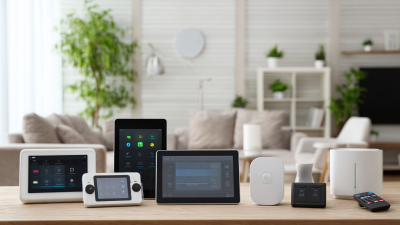
Hey, if you've been paying attention to the Smart Home scene lately, you probably realize just how important it’s become to jump on the bandwagon withSmart Home Devices. The market's really booming—according to a report from MarketsandMarkets, it’s expected to hit a whopping $174 billion by 2025. Crazy, right? This kind of growth shows how folks are looking for more convenience, better security, and ways to cut down on energy costs. Plus, Statista points out that sales of these devices are projected to jump over 30% each year, so it’s only going up from here.
We’re really seeing how these smart gadgets are changing daily life. Take Smart Thermostats, for example—they can actually help you save up to 20% on energy bills, as the U.S. Department of Energy highlights. But even with all these advantages, a lot of people still hesitate. Privacy worries and how well these devices will work with what we already have are common concerns. Luckily, big players like Amazon and Google are aware of these issues and are continually working on better security and making sure everything plays nicely together.
Honestly, putting money into smart home tech now puts you ahead of the curve and lets you enjoy some pretty cool innovations coming down the line. Sure, there are a few hurdles, but honestly, the perks far outweigh the risks. As these devices get more affordable and easier to use, it really looks like the future’s about having a smarter, more connected home—something that’s easier to get into than ever before.
The Growing Smart Home Market: Trends and Projections for 2023
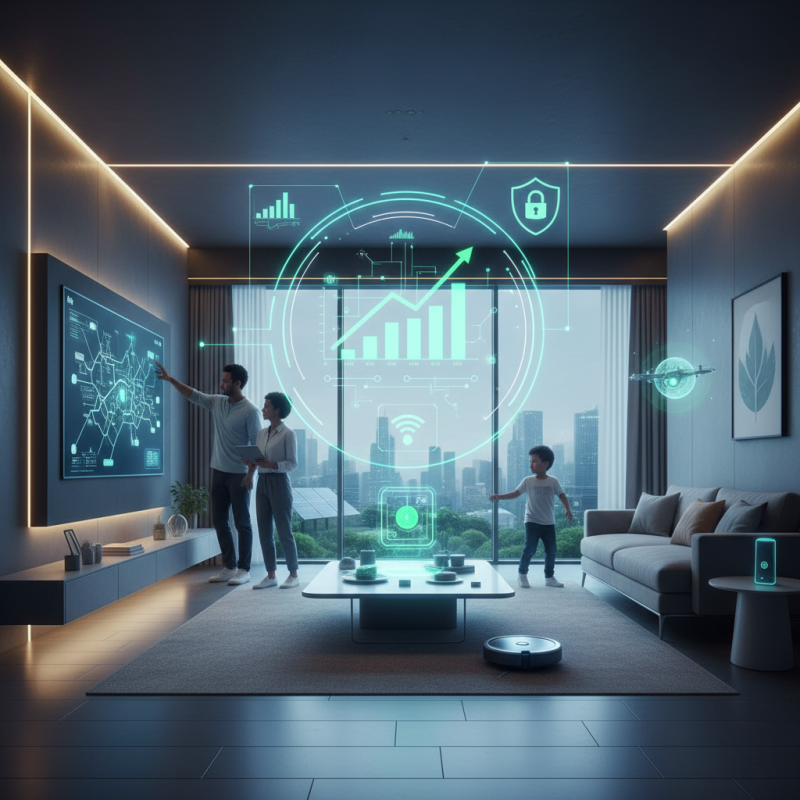
The smart home market is evolving rapidly, with a projected growth rate of 25% from 2023 to 2028. More households are adopting smart home solutions than ever before. According to a recent report, nearly 40% of homeowners plan to invest in Cool Smart Home Devices in the upcoming year. This shift reflects a growing recognition of the convenience, security, and cost-efficiency these technologies offer.
In addition to convenience, the smart home market is responding to sustainability trends. A vast majority of these devices are designed to improve energy efficiency. For example, smart thermostats can reduce energy use by up to 30%. However, not all devices deliver on this promise. Users need to evaluate their options carefully to ensure they are making sustainable investments.
The integration of artificial intelligence into smart home systems is another key trend. Such advancements can enhance user experience and personalization. Still, there is a need for research on data privacy and security within these systems. Challenge lies in balancing convenience with safety. As the market grows, consumers must remain vigilant about potential vulnerabilities. Overall, the smart home industry is at a fascinating crossroads, presenting opportunities and requiring cautious exploration.
Benefits of Smart Home Devices: Cost Savings and Energy Efficiency
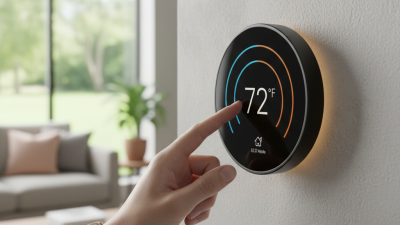
Smart home devices have gained popularity for good reasons. One of the main advantages is cost savings. By automating tasks and optimizing energy use, these devices help reduce utility bills. For example, smart thermostats can learn your schedule and adjust temperatures accordingly, minimizing energy waste. Imagine coming home to a perfectly heated or cooled home without needing to remember to adjust the thermostat.
Energy efficiency is also enhanced with smart home technology. Devices like smart light bulbs automatically turn off when not in use, further reducing electricity consumption. Smart appliances can operate during off-peak hours, lowering energy costs significantly. Integrating Alexa Smart Home Devices into your routine can streamline these processes, making it easier to manage energy use.
Tips: Consider starting with a few key devices. A smart thermostat and intelligent lighting are great first steps. Evaluate how much energy you typically use and look for patterns. Reflect on the areas where you can improve efficiency. Over time, gradually incorporate more of these tools, tailoring them to fit your lifestyle. As you gain experience, you might find unexpected benefits in convenience and savings.
Enhancing Home Security: The Role of Smart Devices in Protection
Smart home devices play a critical role in enhancing home security. In recent years, the adoption of smart technology has surged. Nearly 31% of households now utilize some form of a smart security system, according to industry studies. This increase highlights the growing awareness of safety among consumers. Smart locks, cameras, and alarms offer real-time monitoring. This allows homeowners to respond quickly to potential threats.
When investing in OEM Smart Home Devices, consider the features that matter most. Look for devices that offer remote access and alerts. Many systems integrate seamlessly with mobile apps, providing convenience and peace of mind. Ensure that these devices have robust encryption methods to protect your personal data from breaches. Regular software updates are also essential for security maintenance.
Create a layered security approach. Use motion sensors in conjunction with surveillance cameras. Placing smart lights outside can deter intruders. Research indicates homes with visible security systems are 300% less likely to be targeted. Even the installation of window sensors can significantly increase home security. Investing in smart home technology supports a proactive rather than reactive stance against potential threats.
Convenience and Automation: How Smart Homes Simplify Daily Life
Smart home devices are changing how we live. They simplify daily tasks by automating chores. Studies show that 70% of users report increased convenience. Lights adjust automatically, and appliances can be controlled remotely. This technology not only saves time but also energy. According to the International Energy Agency, smart home devices can reduce energy consumption by up to 30%.
Automation enhances safety and comfort. Security systems can alert homeowners to intrusions in real time. Smart thermostats learn your habits and optimize heating and cooling. Homes become more efficient. However, many still hesitate to adopt these solutions. Concerns about privacy and data security persist. In a recent survey, 43% of participants expressed worries about potential surveillance.
The journey towards a smart home isn’t perfect. Integration issues can arise, and user interfaces may be confusing. Yet, the potential benefits are substantial. Embracing smart technologies can indeed elevate daily living. Adopting these devices can lead to significant lifestyle improvements, though it requires careful consideration.
Investment in Smart Technology: ROI and Long-Term Value
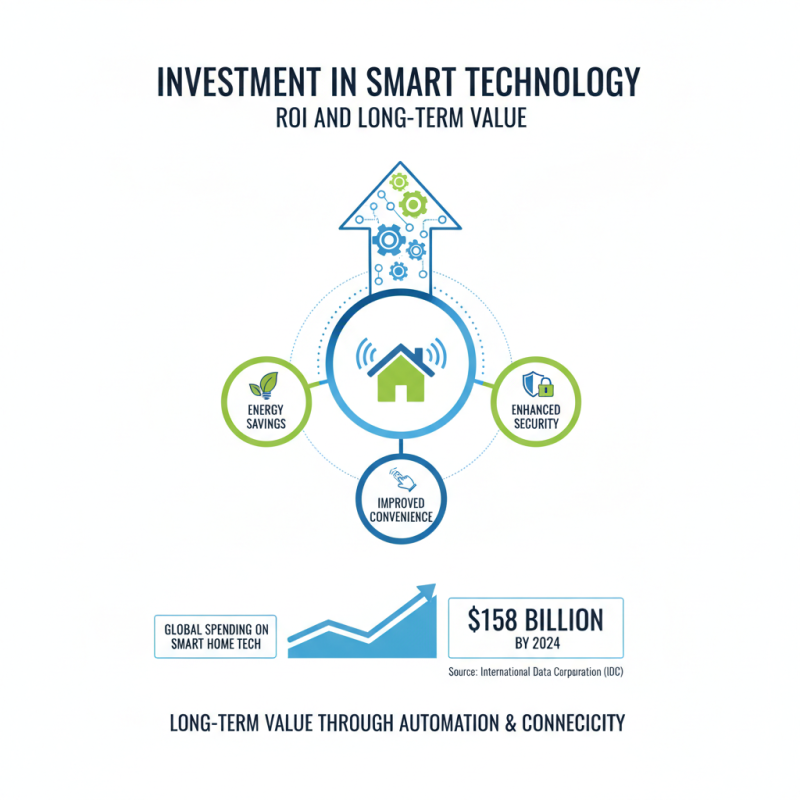
Investing in smart home devices offers significant long-term value. According to a report by the International Data Corporation (IDC), global spending on smart home technology is projected to reach $158 billion by 2024. This growth highlights a trend toward automation and connectivity in households. By integrating smart devices, homeowners can achieve energy savings, enhanced security, and improved convenience.
Consider the efficiency these devices bring. A study from the Lawrence Berkeley National Laboratory found smart thermostats can reduce heating and cooling bills by up to 10%. Moreover, home security systems equipped with smart technology can deter burglaries. Approximately 60% of savvy investors recognize this improved security as a critical ROI factor.
While these benefits are compelling, potential investors should reflect on their specific needs and the broader market trends. The success of these technologies depends on user adoption rates and ongoing technological advancements. As consumers become more informed, expectations rise. It’s crucial to stay updated on evolving smart home capabilities. Balancing investment with practical usage remains essential as the market matures.
Consumer Adoption Rates: Why Now is the Right Time to Invest
As consumer adoption rates for smart home devices rise, now is the ideal time to invest. Recent surveys show that over half of households use at least one smart gadget. These devices enhance convenience and security, addressing increasing consumer demands. The ability to control lighting, heating, and security through one interface is appealing. Many people report feeling safer with smart security systems in place.
Investment in this sector is not just based on consumer interest; it reflects a broader trend. As technology becomes more integrated into daily life, smart home devices are becoming essential. Home automation can lead to energy savings and greater efficiency. However, not all devices perform as expected. Some users encounter challenges with compatibility and functionality. Investing in a reputable Smart Home Devices Company can mitigate these risks.
While the market is growing rapidly, it is also evolving. Trends indicate that more homes will adopt smart technology in the coming years. Understanding these dynamics is crucial for informed investment. Being aware of the market's unpredictability and informed choices remains essential. Investors should consider the long-term benefits and potential hurdles before diving in.
Major Players in the Smart Home Industry: Key Brands and Innovations
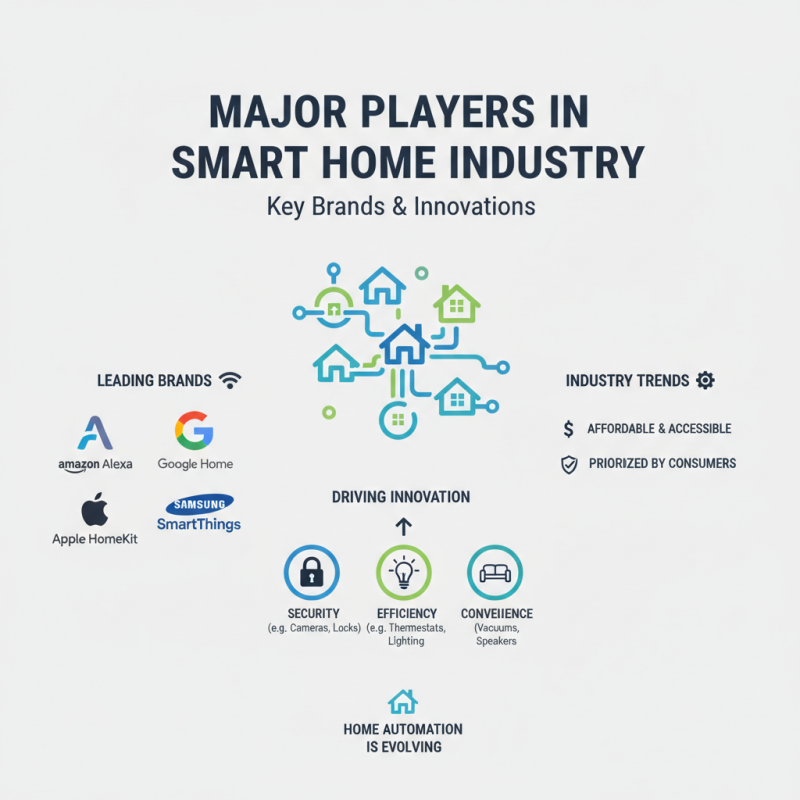
The smart home industry is rapidly evolving. Many leading brands are at the forefront, driving innovation. They provide devices that enhance convenience, efficiency, and security. Home automation has become accessible and affordable. Many consumers now prioritize these technologies in their homes.
Smart lighting systems, for example, allow customized atmospheres. Smart thermostats learn your habits, optimizing energy use. Security cameras with advanced features enhance home safety. These innovations simplify daily routines and save costs.
Tips: Consider assessing your home’s needs before investing. Research which devices integrate seamlessly. Not every gadget is necessary for every household. Start with one or two essential devices. This approach minimizes the feeling of being overwhelmed. Test them out and adjust your choices based on your experiences.
Enhancing Home Security: Insights from Industry Reports on the Impact of Smart IP Intercom Systems like 18F & DA-X1
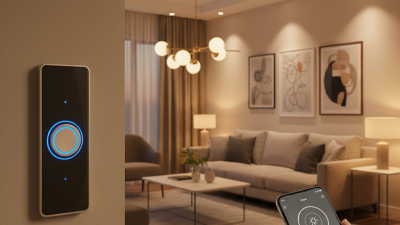
Smart IP intercom systems are revolutionizing home security by providing enhanced communication and monitoring capabilities. With features such as easy setup and plug-and-play functionality, these systems are designed for user convenience. Homeowners can quickly connect to the internet via WiFi, allowing for seamless integration into existing smart home ecosystems. This makes it simpler than ever to keep your home secure without complicated installation processes.
One of the standout features of modern intercom systems is the ability to control them remotely via smartphone apps. Users can enjoy one-touch calling, talking, and unlocking, ensuring that they can communicate with visitors without having to physically open the door. Additionally, cloud-based monitoring allows homeowners to keep an eye on their property in real-time, no matter where they are. Whether at work or on vacation, this capability ensures that your home remains secure against potential threats.
The power supply options also add flexibility, accommodating both standard Power over Ethernet (PoE) and DC power sources. This versatility means that homeowners can choose the setup that best suits their environment, enhancing the overall user experience. Ultimately, integrating smart IP intercom systems not only strengthens home security but also provides peace of mind through advanced technology and user-centric features.
FAQS
: The smart home market is expected to grow by 25% during this period.
Homeowners seek convenience, security, and cost-efficiency from smart home technologies.
Smart thermostats can reduce energy use by up to 30%, promoting sustainability.
Users need to evaluate options carefully to ensure their investments are sustainable.
AI can improve user experiences and personalize interactions within smart home systems.
There are concerns about data privacy and security, requiring careful consideration.
Smart lighting, thermostats, and advanced security cameras are commonly integrated.
Assess your home’s needs and research which devices work well together.
No, starting with one or two essential devices can prevent overwhelming choices.
Test the devices first and adjust your choices based on your experiences.
Conclusion
The article "Why Should You Invest in Smart Home Devices Now?" explores the burgeoning smart home market and highlights the significant trends projected for 2023. As more consumers recognize the cost savings and energy efficiency that smart home devices can offer, the demand is expected to surge. Furthermore, these devices enhance security by providing advanced protection options, while also bringing convenience and automation to daily life through seamless integration.
Investing in smart technology not only promises a notable return on investment (ROI) but also ensures long-term value as consumer adoption rates rise. With innovation driving the industry forward, now is an opportune moment to consider incorporating smart home devices into your living space, providing both immediate benefits and future-proofing your home.