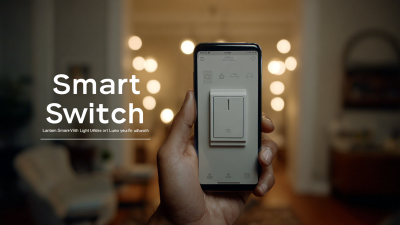
You know how everyone’s really starting to embrace smarter livingthese days? Well, optimizing Home Control Systems has become pretty much essential if you want to save on energy and cut those utility bills. I mean, a2023 report from the International Energy Agency (IEA) mentioned that using smart tech at home could cut energy use by up to 20%. That’s a big deal—it not only saves money but also helps reduce your carbon footprint. Companies like Zhuhai Taichuan Cloud Technology Co., Ltd.— they’re pretty much leading the charge in smart Intercom systems. They've been around since 1999, really pushing the envelope on making homes more connected and tech-friendly.
And with their upcoming IPO, they’re planning to reach even more people, making it easier for everyone to get access to energy-efficient home systems. By tapping into the latest innovations, homeowners can enjoy a more sustainable lifestyle without sacrificing convenience—think automation that just makes life easier, ya know?
Understanding the Basics of Home Control Systems and Energy Efficiency
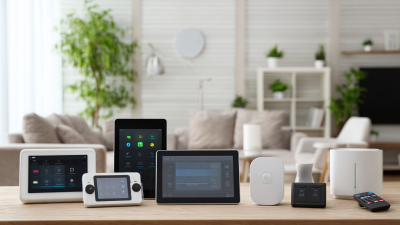
Home control systems are honestly pretty essential if you're serious about managing your energy these days. They let homeowners keep an eye on, and even tweak, how much energy they’re using. The U.S. Department of Energy points out that with smart home tech, you could cut down your energy use by as much as 30%. Understanding the basics of these systems is actually pretty important if you want to get the most out of them and save some cash. Usually, these systems include smart thermostats, lighting controls, and energy monitors — tools that help you tweak your home environment based on real-time info.

If you’re trying to boost your energy efficiency, here are a few tips: First off, get a smart thermostat. It can automatically adjust your heating and cooling based on whether you’re home or not, which can save you around $100 a year. Then, think about switching to smart lighting—stuff like LED bulbs and motion sensors. They help cut down on wasted energy when a room’s empty, and a study from the American Council for an Energy-Efficient Economy says smart lighting could save households about $100 a year.
And don’t forget to keep an eye on your energy use with smart apps. They give you actual insights into your habits and usage patterns, so you can make smarter choices, especially during peak times or when energy is more expensive. Just a few small tweaks based on what you learn can really make a difference, both for your wallet and for helping out the environment.
Key Features to Look for in Energy-Efficient Home Automation Devices
When you're trying to get your home control systems optimized for the best energy efficiency, it's really important to get a good handle on the key features that smart home devices should have. I mean, did you know that according to the International Energy Agency, buildings eat up about 36% of the world's energy? That’s kinda shocking! So, having smart home tech isn’t just a fancy perk anymore — it’s actually vital for cutting down on energy use and lowering your carbon footprint.
One awesome feature to look out for is sensors and smart thermostats that actually learn and adapt. These gadgets can tweak the heating or cooling based on whether you’re even home, which can save you up to 20% on energy bills for temps (U.S. Department of Energy). Plus, if your devices let you check in remotely, you can keep an eye on your energy habits and make smarter choices — pretty handy, right?
Pro tip: Go for devices that are compatible with your energy management setup. It’s a big help in keeping track of what you’re using. Also, switching to smart lighting — the kind that dims automatically or switches off when nobody’s around — can slash lighting costs by around 30%. And if you add energy-efficient appliances that talk to your system, you’re basically creating a home that’s super efficient without even trying too hard.
Strategies for Integrating Smart Technology into Existing Control Systems
Hey, you know, adding smart tech to your existing home systems can really make a difference when it comes to saving energy. For example, smart thermostats are pretty awesome—they actually learn your daily routine and tweak the heating or cooling to match. Plus, they can connect to your HVAC setup, so you can easily keep an eye on your energy use or control it from your phone whenever you want. By letting these devices optimize your home’s temperature based on real-time info, you stay comfy without wasting energy or money.
And don’t forget about smart lighting! Things like LED bulbs that adjust their brightness depending on how much natural light is coming in are real game-changers. You can set schedules or control the lights remotely, so they’re only on when you actually need them. Adding motion sensors is another smart move—they prevent lights from staying on in empty rooms. Honestly, jumping onto these smart tech trends not only makes life more convenient but also helps you live a bit greener—cutting down on energy bills and doing your part for the environment.
How to Optimize Your Home Control Systems for Maximum Energy Efficiency - Strategies for Integrating Smart Technology into Existing Control Systems
| Strategy | Description | Expected Energy Savings (%) | Implementation Difficulty (1-5) |
| Smart Thermostats | Automates heating and cooling based on user habits and preferences. | 15-20% | 2 |
| LED Lighting | Replaces traditional bulbs with energy-efficient LED options. | 50-75% | 1 |
| Smart Plugs | Controls the power supply to devices based on usage patterns. | 5-10% | 3 |
| Home Energy Management Systems (HEMS) | Monitors and optimizes energy consumption across the home. | 20-30% | 4 |
| Smart Sensors | Detects presence and adjusts settings automatically. | 10-15% | 3 |
How to Monitor and Analyze Your Energy Consumption Effectively
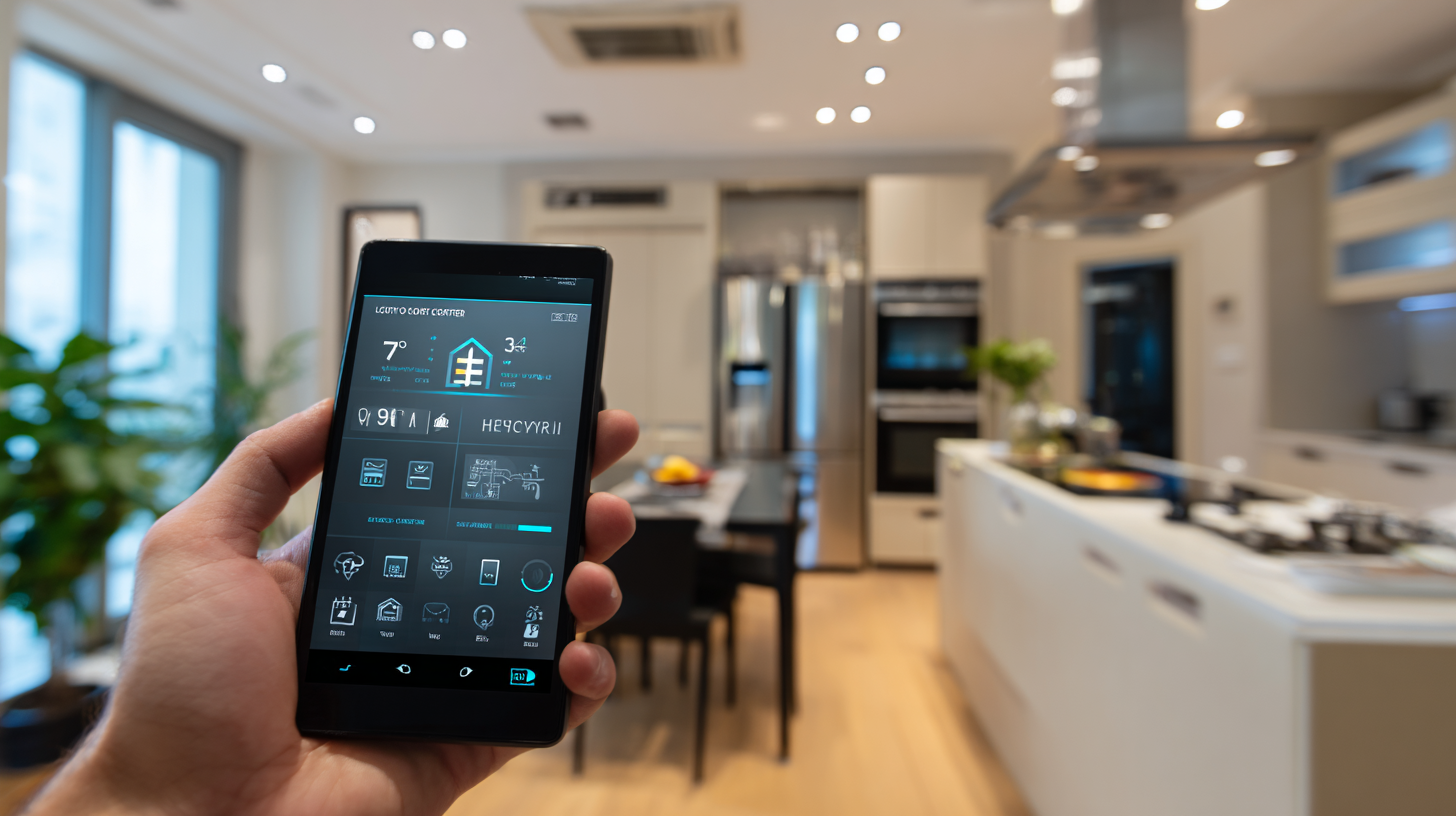
Keeping an eye on your energy use and analyzing it can really make a difference when it comes to optimizing your home's systems for maximum efficiency. Believe it or not, the U.S. Department of Energy states that just by monitoring your energy consumption, you could shave off about 15% from your electricity bills. Nowadays, smart home automation systems with real-time data from smart meters make it super easy to spot when you're using a ton of energy and make smarter choices. And the best part? You can connect these systems to your phone, so you can check your energy patterns whenever you want—helping you identify exactly when you’re using the most power and where you can cut back.
Plus, research from Lawrence Berkeley National Laboratory shows that just by being more aware of your energy habits, you could save another 5-10% on your bills. Looking at these data trends over time is also a great way to plan upgrades—like switching to LED bulbs or buying more efficient appliances. When you use tools that analyze your energy data, you can even forecast your needs and tweak your usage during peak hours, which helps you be smarter about energy and do a little good for the environment too.
The Role of Insulation and Smart Thermostats in Energy Savings
When it comes to making your home more energy-efficient, insulation and smart thermostats are pretty much must-haves. The U.S. Department of Energy says that if you’ve got your insulation properly installed, you could be cutting your heating and cooling bills by anywhere from 10 to 50%. That’s a huge difference! The reason? Good insulation keeps the temperature just right inside—so you’re not losing heat during winter or overcooling your place in summer. Investing in quality insulation not only makes your home more comfortable but also helps you save energy overall, which is great for the environment (and your wallet).
On top of that, smart thermostats really take things up a notch. They give you much better control over your heating and cooling systems. According to a study from the Lawrence Berkeley National Laboratory, folks who use smart thermostats typically save about 10-12% on heating costs and around 15% on cooling every year. These devices basically learn your preferences over time and automatically tweak the temperature to keep things cozy without wasting energy. When you combine good insulation with a smart thermostat, you’re looking at maximum efficiency—smaller bills and a greener footprint all around.
Practical Tips for Scheduling and Automating Home Energy Use
Tuning up your home control systems can really make a difference when it comes to saving energy—and, of course, your wallet. One thing I’ve found pretty helpful is setting up a routine for your lights and appliances. Like, you can program your thermostat to lower the heat when you’re not around, or have it warm up just before you get back home. And as for lights, timers are great—they keep the lights off when no one's around, so you're not wasting energy just because they’re on.
Another cool tip is to go for smart home automation systems. A lot of these setups let you monitor your energy use in real-time, which is super useful for spotting the biggest energy wasters in your place. Plus, adding motion sensors can turn off the lights automatically when no one's in the room. It’s pretty amazing how much you can do with these devices—making your home more efficient while also helping out the environment at the same time.
All in all, just playing around with these techy ways to manage your home's energy can save you some bucks and make everything run smoother. Trust me, a little setup goes a long way!
Conclusion
If you're aiming to get the most out of your home's energy efficiency, getting a good handle on Home Control Systems is pretty much essential. These setups bring together different smart tech tools, making it easier for homeowners to keep an eye on their energy use and even tweak things to save on bills. When you're choosing automation gadgets, it’s worth paying attention to whether they play nicely with your existing setup and if they help make energy use simpler and smarter.
Adding smart tech to your home isn’t just about cool gadgets — it can really boost your savings, especially when you pair it with good insulation and smart thermostats. These little helpers are key to making your heating and cooling work more efficiently. And honestly, setting up schedules and automating your energy use can make a big difference, helping cut down on waste. By the way, Zhuhai Taichuan Cloud Technology Co., Ltd. is really leading the way in smart intercom tech and other innovations to make switching over to smarter home control super smooth and hassle-free.