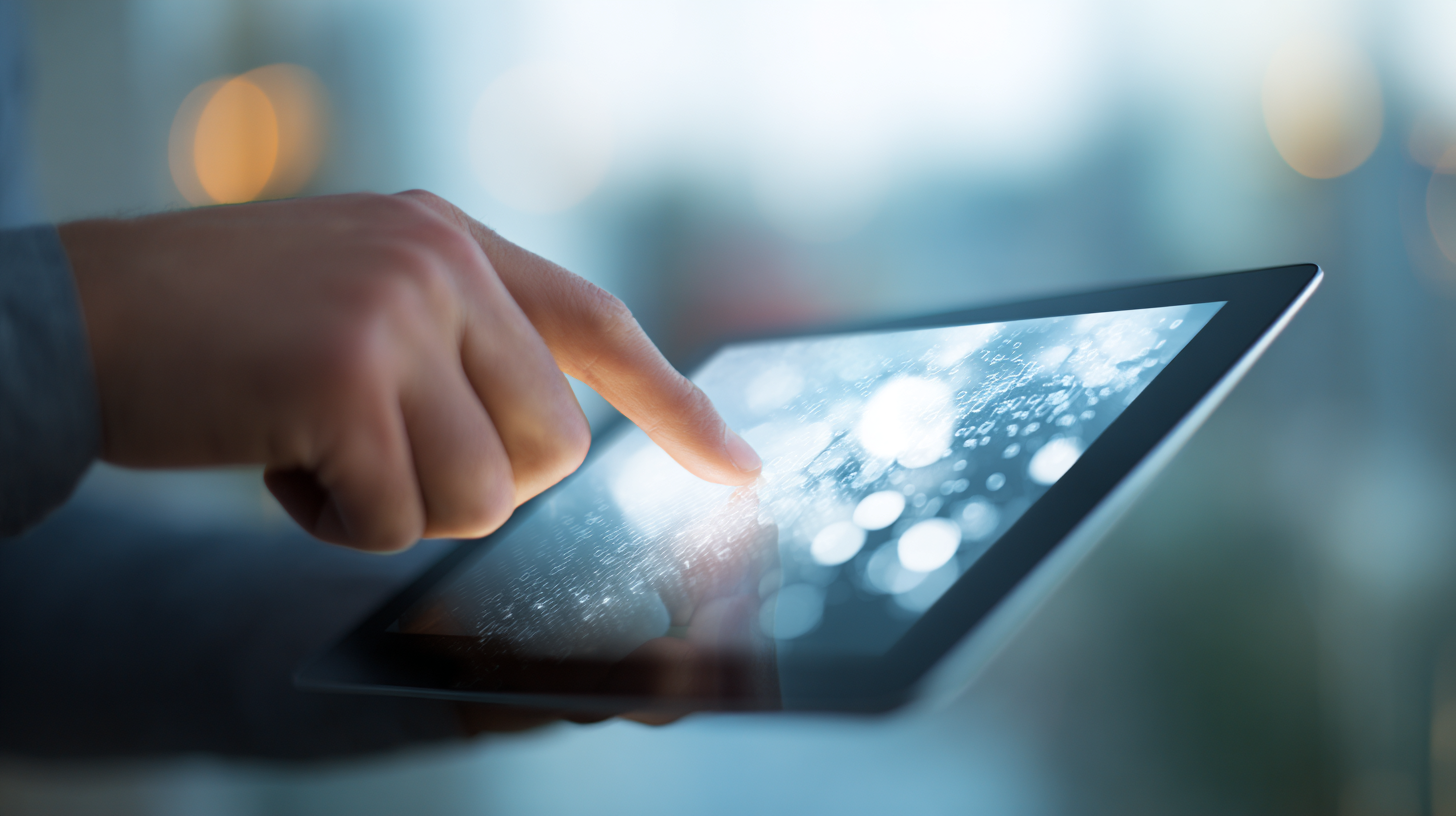
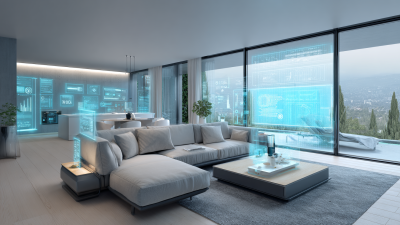
These days, with tech constantly changing how we go about our daily routines,Smart Display is really stepping up as a key player in shaping how we interact with technology. I recently came across a market research report fromGrand View Research, and it mentioned that the global smart display market is expected to hit around $7.6 billion by 2025, growing at a pretty impressive rate of 22.5% CAGR. That just shows how more folks are adopting Smart Devices to make their homes and workplaces more connected and smarter.
At Zhuhai Taichuan Cloud Technology Co., Ltd., we’ve been a big name in the smart Intercom scene since1999, and our focus on innovation keeps us right at the forefront of this tech shift. As we gear up for our upcoming IPO, it’s clear that integrating Smart Display tech lines up perfectly with our mission — to improve communication and automation in this rapidly changing digital world.
The Evolution of Smart Displays: A Brief Overview
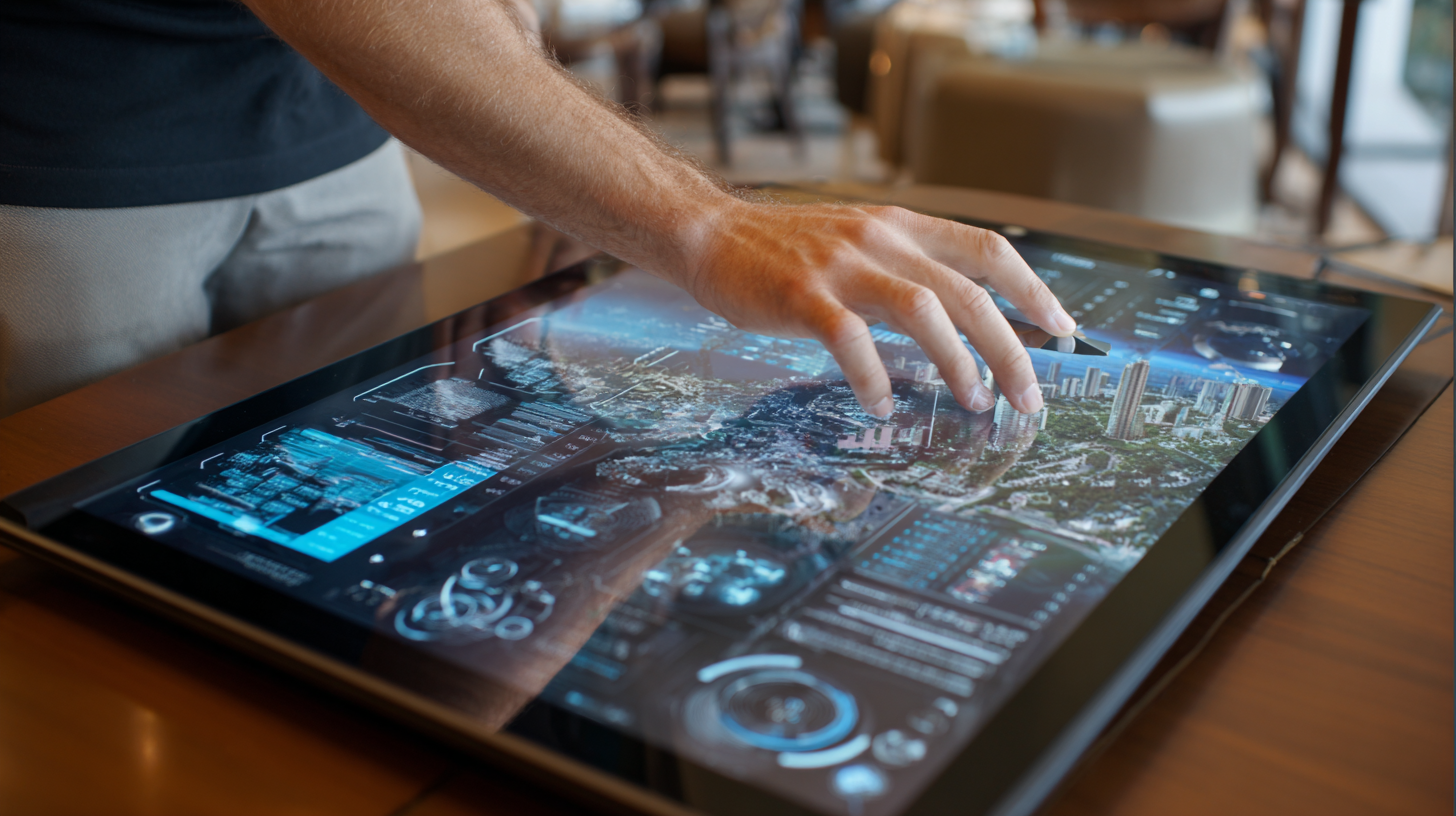 You know, the way smart displays have come so far really changed how we interact with tech every day. I remember when smart TVs first hit the scene—just basic internet access and streaming, nothing fancy. But as people started expecting more, these devices got a lot more complex, and honestly, navigating them could get pretty frustrating. Now, today's smart displays are all about making things easier and more natural, with user-friendly interfaces, voice recognition, AI features, and the ability to seamlessly connect with other smart gadgets around the house.
Quick tip: When you're picking out a smart display, look for features that actually make your life easier. Things like voice commands or easy ways to pull content from different streaming services can save you a lot of hassle compared to the old-school smart TVs that felt more complicated than they needed to be.
As display tech keeps advancing, it seems like the trend is moving towards more interactive, immersive experiences. These screens aren’t just for watching anymore—they’re becoming a part of our daily routines. Better touch responsiveness and gesture control are changing the game, making content more engaging and fun to interact with.
Another tip: Keep an eye on the latest in display tech. Knowing about new stuff like electrochromic materials or improved connectivity options can really help you make smarter choices when shopping for your next smart device or interactive screen.
Seamless Integration: How Smart Displays Enhance Smart Homes
As technology keeps getting better, smart displays are really becoming a core part of modern smart homes, changing the way we interact with our living spaces. These devices aren’t just about showing information—they’re pretty versatile. They work as a central hub for communication and blend smoothly with other smart home gadgets, so you can control your lights, security system, and even your favorite shows using simple voice commands or just tapping on the screen. The increased connectivity and clever features make smart displays pretty much essential for creating a smooth, integrated smart home setup—bringing a good dose of convenience and efficiency to our daily routines.
Over at Zhuhai Taichuan Cloud Technology Co., Ltd., we’re really passionate about pushing the boundaries in the smart intercom game, and it lines up perfectly with the rise of smart displays. We've been around since 1999, always looking for new ways to improve communication and connectivity at home. Our upcoming IPO is a huge milestone for us—it's proof of how committed we are to staying ahead in tech advancements. We really believe that as smart displays keep evolving, their ability to bring all your devices together will help us build even smarter, more responsive living spaces that truly meet what today’s consumers need and expect.
Visual Communication: The Impact of Smart Displays on Remote Work
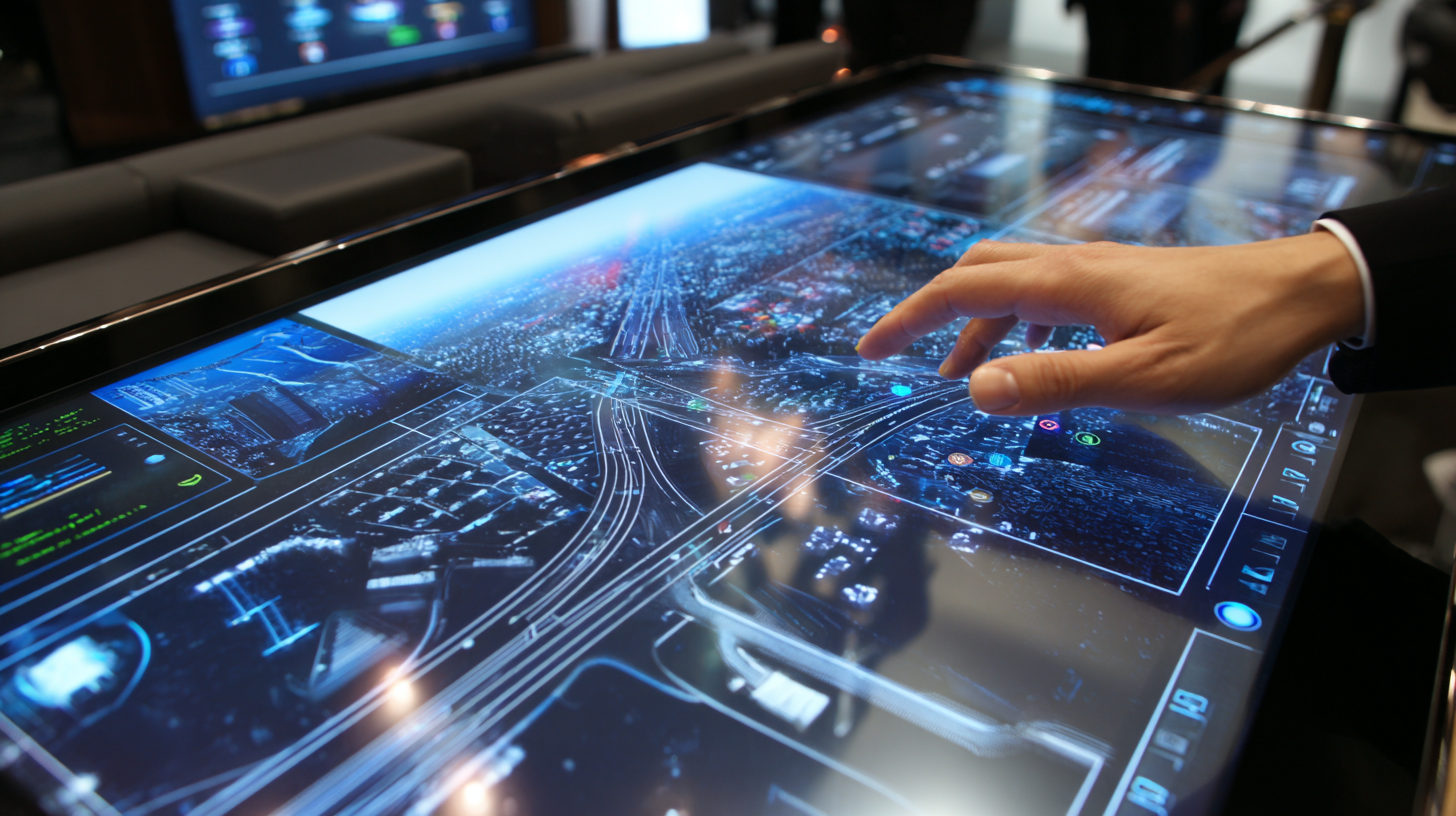
Smart displays are really changing the game when it comes to remote work. They're making it way easier to communicate visually and collaborate across teams. I mean, according to a report from Gartner, companies that are actually using visual communication tools — like these smart displays — see about a 25% boost in team productivity. That's pretty impressive, right? The reason is simple: sharing information feels more dynamic and interactive, which makes meetings not just more engaging but also way more effective.
And there's more to it! A study by IDC found that organizations using smart displays for remote work noticed around a 30% drop in misunderstandings and miscommunications. That’s huge — especially now that remote work is pretty much the new normal. Clarity and staying connected are more important than ever if teams want to succeed. With features like real-time screen sharing, video calls, and super intuitive interfaces, these smart displays really offer a chance for businesses to build a more connected, productive remote workforce. Adding visual elements into daily workflows doesn’t just bridge communication gaps — it actually makes remote collaboration way more enjoyable and efficient.
Honestly, it feels like these tools are just making remote work smoother and more human overall.
User Experience Revolution: Intuitive Interfaces for All Ages
The rise of smart displays really feels like a game-changer in how we interact with technology these days. It’s all about creating interfaces that are super intuitive—something everyone, no matter their age, can get the hang of easily. Did you know that, according to Grand View Research, the worldwide market for these smart displays is expected to hit around $31.5 billion by 2025? That's crazy! And the growth rate? A solid 23.9% CAGR. This spike is mainly because folks are craving tech that’s easy to use—whether you’re a tech whiz or someone who’s not so comfortable with gadgets, like grandparents or young kids. These gadgets mix engaging visuals with voice commands, making tech feel less complicated and more accessible to everyone.
What’s even cooler is how smart displays use AI and machine learning to remember what you like and how you behave. Nielsen’s study found that nearly 60% of people actually prefer talking to their devices rather than typing or tapping around. Crazy, right? It’s like these devices aren’t just recognizing us—they’re trying to predict what we need before we even ask. That totally shifts the way we use tech, making it feel more like a helpful buddy instead of something that just adds hassle. Looking ahead, as these smart displays keep getting smarter and more personalized, they’re probably going to change the way all of us—every age group—connect with and experience technology.
Entertainment Redefined: Smart Displays as Central Hubs for Media Consumption
You know, smart displays have totally changed the way we enjoy media at home. Now, they’re pretty much the heart of our entertainment setups. These devices are built to fit right into our daily routines—offering not just crisp visuals and sound, but also some pretty impressive features that cater to our different needs. For example, the latest smart displays make it super easy to control your smart home gadgets—whether it’s turning lights on or off, managing security, or adjusting temperature—just with a quick voice command or a tap on the screen.
And as brands keep stepping up their game, we're seeing bigger screens and smarter AI tech that really boost the whole viewing experience. Newer models come with better picture quality and intuitive systems that help run your entire house effortlessly. It’s like having a personal assistant right in your living room. By blending traditional media with the latest in smart home tech, these displays are really changing how we connect with digital content and each other. Honestly, it’s safe to say they’re shaping what the future of tech in our homes is gonna look like.
10 Reasons Why Smart Display is the Future of Technology
This chart illustrates the growing popularity of smart displays as central hubs for media consumption across different demographics. The data showcases the percentage of users preferring smart displays over traditional media devices for various types of content consumption.
Future Innovations: What’s Next for Smart Display Technology?
Looking ahead to the future of smart display tech, it’s pretty clear that the next wave of innovations is really going to change how we interact with our surroundings. You see this especially with devices like smart glasses, which are starting to pack some seriously advanced computing and display features. They can show info right in our line of sight—transparently and interactively—almost like magic. Being able to project data into your view while still being aware of the outside world could totally change how we connect with machines and our environment.
Just recently, there’s been talk about how people, especially in places like China, are super open to adopting new automotive tech — things like big touchscreen displays and AI voice assistants. This kinda points to a big shift towards a more connected digital world, where smart displays aren’t just gadgets but essential parts of everyday life — whether it’s driving or using your personal devices. As industries keep pushing boundaries and coming up with new ideas, it seems pretty likely that smart displays will lead us into a whole new era filled with better connectivity and more interactive experiences.
10 Reasons Why Smart Display is the Future of Technology - Future Innovations: What’s Next for Smart Display Technology?
| Reason | Description | Future Outlook |
| 1. Enhanced Interactivity | Smart displays offer touch and voice interaction, making user engagement seamless. | Increased usage in homes and enterprises for applications like virtual assistants. |
| 2. Improved Connectivity | Integration with IoT devices allows smart displays to access and control various systems. | Wider adoption in smart homes, enhancing the connected experience. |
| 3. Versatile Applications | Can be used in different sectors including retail, education, and business. | Expansion into new industries with tailored solutions. |
| 4. User-Centric Design | Focus on user experience leads to more intuitive design and functionality. | Continual enhancements to meet customer needs. |
| 5. Cost Efficiency | Reduction in operational costs through automation and remote management. | Potential for widespread adoption in budget-conscious sectors. |
| 6. Enhanced Security Features | Utilization of biometric security and advanced encryption measures. | Shift towards more secure smart environments. |
| 7. Personalization Capabilities | Leverage AI to learn user preferences for customized experiences. | Growth in smart displays adapting to individual users' habits. |
| 8. Environmental Adaptability | Smart displays can adjust brightness and content based on ambient conditions. | Increased usability in different environments, such as outdoor vs indoor. |
| 9. Rapid Technological Advancements | Continuous development in display technology enhances performance and resolution. | Future-ready displays that adjust to evolving tech standards. |
| 10. Expansion of Content Delivery | Ability to stream and display a variety of media content easily. | Potential for diverse media applications, from advertising to personal use. |
FAQS
: Smart displays are devices that serve as central hubs for entertainment, delivering high-quality visuals and sound while integrating advanced functionalities for managing various home devices.
Smart displays allow users to control smart home devices such as lighting and security systems through voice commands or touch interactions, making home management effortless.
They provide larger screens, enhanced image quality, and intuitive home management systems, making them essential tools for a better family viewing experience.
Future innovations include advanced computing and display technologies, such as smart glasses, which will offer greater interactivity and transparency in human-machine interactions.
Yes, there is a strong willingness among consumers, particularly in countries like China, to adopt emerging technologies like large-screen displays and AI voice interfaces.
They create a more integrated digital ecosystem by enhancing connectivity and interactivity, influencing areas such as transportation and personal device usage.
Conclusion
Smart displays are really quickly becoming a staple in modern tech, especially as they keep evolving to fit our connected lifestyles. You see, they’re not just about showing you things anymore; they’re changing the game—whether it’s making smart homes more seamless or helping us out with remote work thanks to their visual communication features. Honestly, they’re transforming the way we interact with our environment. And what’s great is, their user-friendly interfaces work for people of all ages, so tech becomes way more accessible and actually fun for everyone.
Plus, these smart displays are like the go-to hubs for media—pretty much redefining entertainment by bringing several functions together in just one device. Looking ahead, it’s pretty obvious that tech in this space is only going to get smarter and more innovative. Companies like Zhuhai Taichuan Cloud Technology Co., Ltd. are right there at the forefront, pushing this evolution in smart intercoms. With their focus on innovation and plans for an IPO, it looks like Taichuan’s going to play a major role in shaping the future of smart displays.