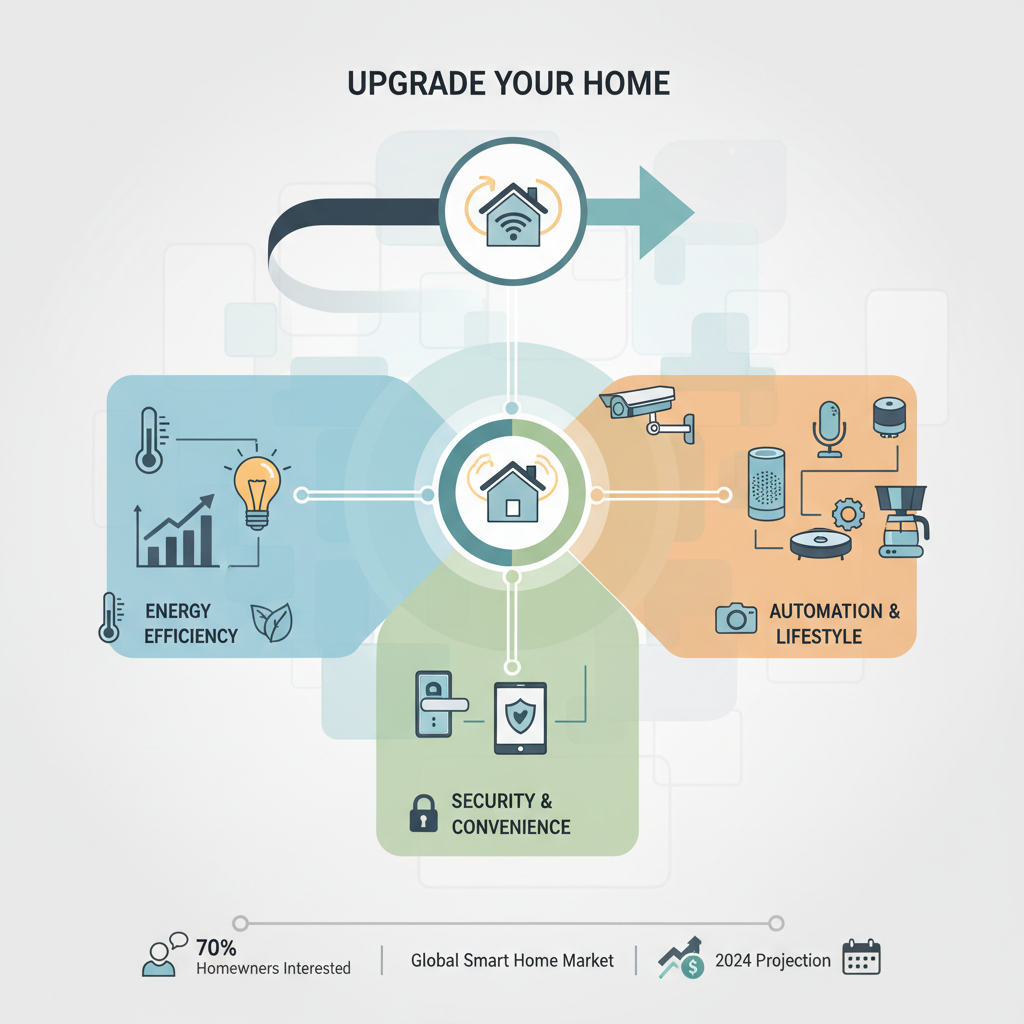
Hey there! You know, in today’s fast-moving tech world, having Smart Electronic devices at home isn’t just a cool perk anymore — it’s pretty much becoming essential. I came across a report by Statista that estimates the global smart home market will hit around $158 billion by 2024. Crazy, right? That shows just how much people are investing in making everyday life a bit easier and more high-tech. Folks are really looking for convenience, better security, and energy efficiency, which is why gadgets like smart thermostats, security cameras, and voice assistants are suddenly everywhere.
Switching over to smart tech isn’t just about saving energy — it also makes your day-to-day routines a lot smoother. A study from the Consumer Technology Association mentioned that about 70% of homeowners are actually interested in installing Smart Devices to automate tasks, improve home security, or just manage energy better. That shift in what people want really shows they’re starting to see the huge benefits these gadgets can bring, paving the way for all kinds of innovative solutions suited for modern living.
Looking to upgrade your home? Honestly, investing in smart tech isn’t just a luxury anymore — it’s pretty much a must if you want to stay ahead and make your space more comfortable and connected. In the next part, we’ll dive into some key devices and easy ways to set everything up. We’re aiming for a smarter, more connected home — who wouldn’t want that, right?
Understanding Smart Home Technology: An Overview
Smart home technology has rapidly gained traction in recent years, transforming the way we interact with our living spaces. According to a report by Statista, the global smart home market is projected to reach a value of $135.3 billion by 2025, indicating a compound annual growth rate (CAGR) of 27% from 2020. This explosive growth underscores the increasing consumer interest in smart devices that offer convenience, energy efficiency, and enhanced security.
At the core of smart home technology are interconnected devices that can communicate with each other and be controlled remotely. Smart speakers, security cameras, and thermostats are just a few examples of devices that can create an integrated home ecosystem. A recent survey by McKinsey reveals that 57% of consumers are interested in adopting smart home devices, primarily for their ability to save time and enhance home security. The versatility of these devices not only caters to individual preferences but also contributes to a more sustainable lifestyle by optimizing energy consumption through smart analytics and automation.
Identifying Key Areas for Smart Upgrades in Your Home
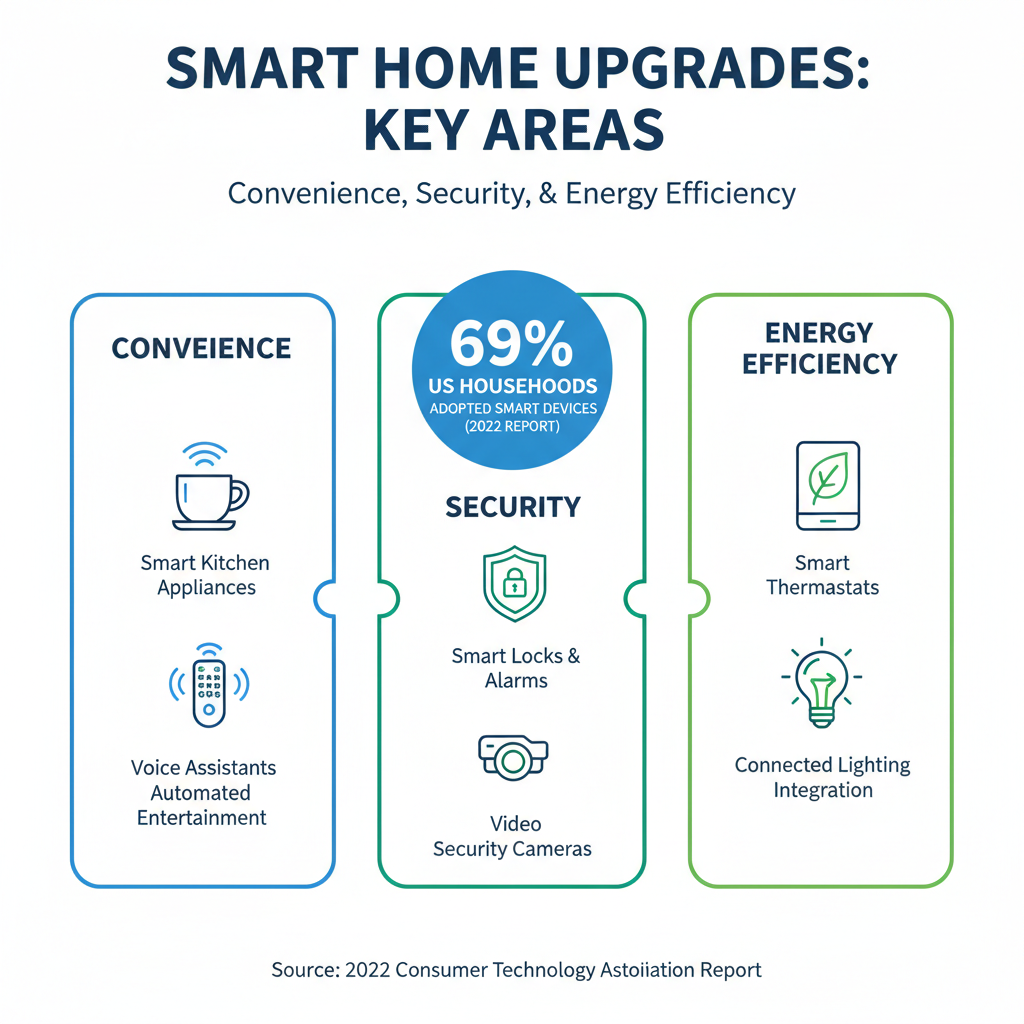
When considering smart upgrades for your home, it's essential to identify the key areas that can benefit the most from technology integration. According to a 2022 report by the Consumer Technology Association, smart home technology adoption has surged, with around 69% of U.S. households now using at least one smart device. This shift points to a growing trend where consumers are prioritizing convenience, security, and energy efficiency.
One of the top areas to consider upgrading is home security. Smart locks, surveillance cameras, and alarm systems can enhance safety while allowing homeowners to monitor their properties remotely. For instance, a recent survey found that homes equipped with smart security systems experienced a 30% decrease in burglary incidents. Additionally, investing in smart lighting can save energy and reduce costs. According to the National Renewable Energy Laboratory, smart lighting solutions can lead to energy savings of up to 30% annually, making it not only an environmentally friendly choice but also a financially savvy one.
Finally, upgrading your heating and cooling systems to smart thermostats can significantly impact energy consumption. The U.S. Department of Energy states that using a smart thermostat can save homeowners as much as $180 per year on heating and cooling bills. By focusing on these strategic areas for smart upgrades, you can create a modern, efficient, and secure living space that aligns with your lifestyle and values.
Choosing the Right Smart Devices for Your Lifestyle
When it comes to enhancing your home with smart technology, choosing the right devices tailored to your lifestyle is essential. According to a recent report by Statista, the smart home market is projected to reach over $151 billion by 2023, underscoring the growing trend of integrating technology into everyday living. Smart devices like thermostats, security systems, and lighting can significantly improve your convenience while providing energy savings and enhanced security.
**Tip:** Prioritize devices that can integrate seamlessly with your existing home setup. For instance, smart speakers like Amazon Echo or Google Nest provide a central hub for controlling various smart gadgets. It's important to evaluate your daily routines to determine which devices can best complement them. Research indicates that homes with energy-efficient smart technology can save an average of 10-30% on utility costs, making these devices not just a luxury but a wise investment.
**Tip:** Look for devices that offer compatibility with multiple platforms and voice assistants. This flexibility ensures a personalized experience that can adapt as your needs change. For instance, smart security cameras can provide peace of mind while allowing remote monitoring through your smartphone. according to a survey by Parks Associates, nearly 70% of consumers stated that ease of use is a critical factor when choosing smart home technologies. Ensuring your devices fit into your lifestyle can lead to a more enjoyable and efficient living experience.
Integrating Smart Devices for Seamless Connectivity
In the realm of smart home technology, seamless connectivity is becoming a critical aspect of modern living. With the integration of artificial intelligence, smart devices are no longer standalone gadgets; instead, they work harmoniously with one another, creating a cohesive ecosystem that enhances user experience. This shift is paving the way for homes that respond intuitively to our needs, whether it’s adjusting the lighting based on mood, optimizing energy usage, or providing enhanced security features.
Recent collaborations aim to bolster this vision of seamless connectivity. By integrating telecommunications services with smart home technology, companies are working to ensure that devices communicate effortlessly, providing users with a streamlined experience. This partnership not only enhances the functionality of individual devices but also elevates the overall efficiency of home systems, making it easier for homeowners to manage their environments. As these advancements take shape, the future of smart living looks promising, transforming our homes into intelligent spaces that prioritize convenience and security.
Smart Electronic Tips to Upgrade Your Home with the Latest Technology - Integrating Smart Devices for Seamless Connectivity
| Device Type | Functionality | Connectivity | Integration with Other Devices | User Benefits |
| Smart Thermostat | Remote temperature control | Wi-Fi, Bluetooth | Works with smart home hubs | Energy savings and convenient scheduling |
| Smart Lights | Wireless lighting control | Wi-Fi, Zigbee | Compatible with voice assistants | Mood setting and automation |
| Smart Security Camera | Home surveillance | Wi-Fi, Cellular | Alerts integration with smart locks | Enhanced home security |
| Smart Plug | Control any appliance | Wi-Fi, Bluetooth | Works with home automation systems | Remote access and energy monitoring |
| Smart Speaker | Voice-activated assistant | Wi-Fi, Bluetooth | Connects with various smart devices | Hands-free control and music playback |
Enhancing Home Security with Smart Technology
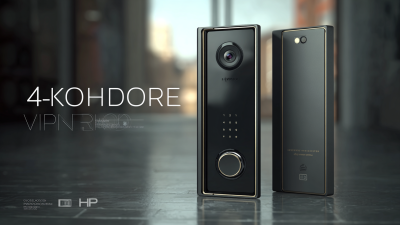
Smart technology has revolutionized home security, offering homeowners advanced solutions to protect their property and loved ones. One of the easiest ways to enhance your home's security is by installing smart doorbells equipped with cameras. These devices allow you to monitor who approaches your door in real-time, and many models even offer two-way audio, enabling you to communicate with visitors from anywhere. This feature is particularly useful for keeping an eye on package deliveries or deterring potential intruders.
Another effective tip is to invest in smart locks. These locks can be controlled via your smartphone, eliminating the need for physical keys. You can set temporary access codes for visitors or service personnel, ensuring that you have complete control over who can enter your home. Some models even have built-in alarms that alert you if a forced entry is detected, providing an added layer of protection.
Finally, consider adding smart security cameras that can be integrated into your home's Wi-Fi network. Many of these cameras offer motion detection and can send alerts directly to your smartphone, allowing you to monitor your property from anywhere. Additionally, the ability to access live video feeds provides peace of mind, knowing that you can keep an eye on things even when you are away. With these smart technologies, enhancing home security has never been easier or more efficient.
Smart Technology Adoption for Home Security
This chart illustrates the number of users adopting various smart home security technologies. As seen, CCTV cameras lead in popularity, followed by smart locks and alarm systems, highlighting a growing trend in enhancing home security through innovative technology.
Energy Efficiency Solutions through Smart Home Automation
As smart home technology rapidly evolves, energy efficiency solutions through smart home automation have become essential in modern homes. A recent report from the International Energy Agency estimates that smart home technologies can reduce energy consumption by up to 30%, significantly lowering utility bills while promoting sustainability. At Taichuan, our commitment to innovation in the smart intercom sector aligns perfectly with the growing demand for energy-efficient home solutions.
One practical tip for upgrading your home is to implement smart thermostats. These devices learn your schedule and adjust heating and cooling systems accordingly, resulting in optimal energy savings. Another effective strategy is to use smart lighting systems that can be programmed or controlled remotely.
 According to a study by Navigant Research, homes with smart lighting can reduce energy usage by an average of 20%. By incorporating these technologies, homeowners not only enhance convenience but also contribute to a greener planet.
At Zhuhai Taichuan Cloud Technology Co., Ltd., we are excited to be at the forefront of this technological revolution. Our ongoing innovations pave the way for smarter, more efficient homes, making them the ideal environment for embracing cutting-edge energy solutions. As we prepare for our IPO, we remain dedicated to bringing exceptional smart home experiences to our customers, ensuring a sustainable future for all.
Maintaining and Troubleshooting Your Smart Home Systems
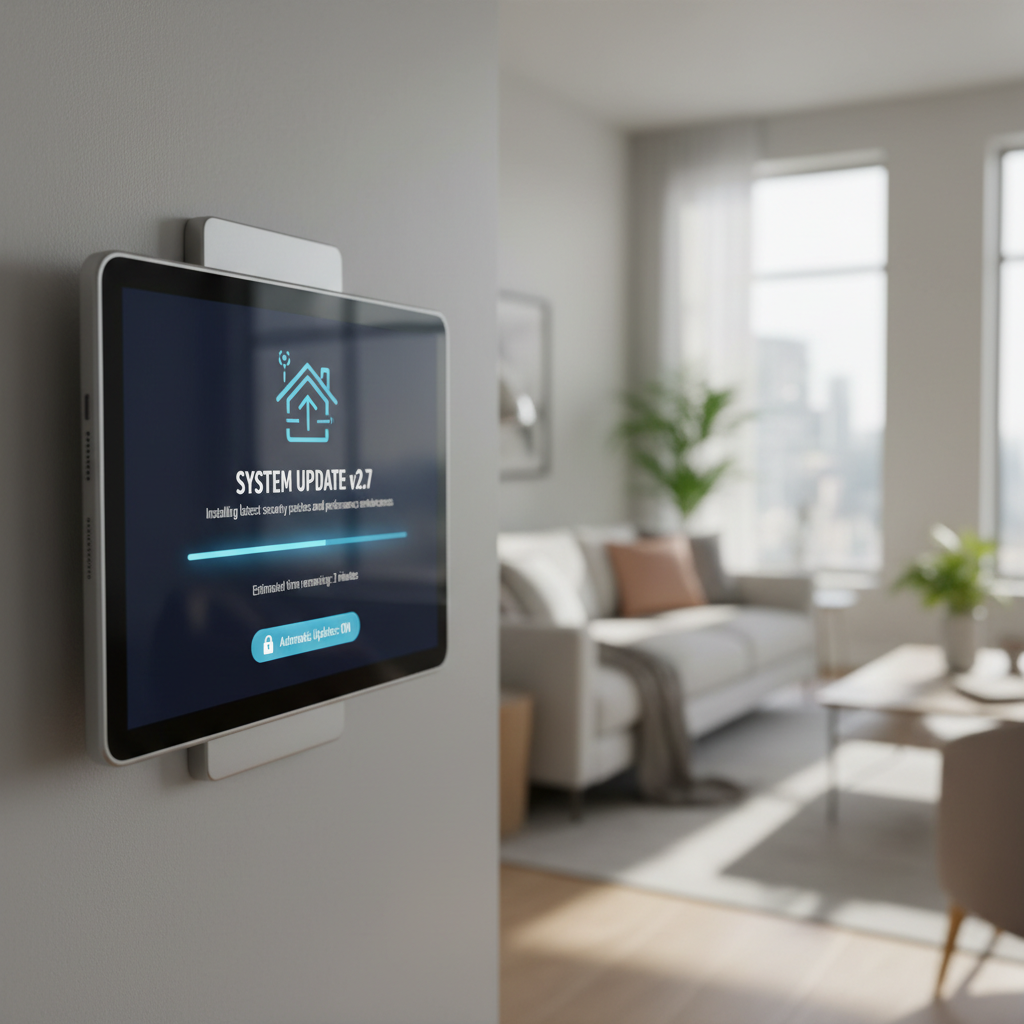
Maintaining and troubleshooting smart home systems can often seem daunting, but with a few strategies, you can keep your technology running smoothly. First and foremost, regular updates are crucial for any smart device. Manufacturers frequently release software updates that enhance functionality and security. Setting your devices to update automatically ensures that you won’t miss important patches that protect against vulnerabilities.
Another essential aspect of maintaining a smart home is monitoring your network performance. Smart devices heavily rely on a stable internet connection, so it’s important to regularly check your Wi-Fi signal strength and router settings. If devices experience connectivity issues, rebooting your router or relocating it to a more central position can make a significant difference. Additionally, utilizing network management tools can help you identify and solve connectivity problems promptly.
When troubleshooting specific devices, consult the manufacturer’s resources, such as user manuals and online support forums. Many common issues have straightforward solutions, such as resetting the device or checking battery levels. Keeping a record of any error messages or unusual behaviors can also aid in diagnosing problems more effectively, allowing you to implement timely fixes and enjoy a seamless smart home experience.
Enhancing Home Security: The Impact of AI-Driven Solutions like anyfree-ML01 Smart Doorbell on Burglary Rates and User Safety
In today's fast-paced world, enhancing home security has become more critical than ever. With the rise in burglary rates, homeowners are increasingly turning to innovative solutions like the anyfree-ML01 Smart Doorbell. Powered by solar energy, this intelligent device represents the forefront of AI-driven security measures, designed to deter intruders and provide peace of mind.
The anyfree-ML01 utilizes advanced AI motion detection technology that employs sophisticated algorithms to accurately distinguish between human movements and animals or inanimate objects. This ensures that users are notified only of genuine threats, reducing false alarms and allowing for quick, informed responses. With a remarkable transmission range of 1km and dual-band Wi-Fi capabilities (2.4GHz/5G), homeowners can receive alerts and monitor their property seamlessly, regardless of their location. The high-definition 1080P camera, coupled with night vision capabilities, offers round-the-clock surveillance, capturing clear video footage in both day and night conditions.
Easy installation further enhances the appeal of the anyfree-ML01 Smart Doorbell, making it accessible for anyone looking to bolster their home security without extensive technical know-how. By integrating such advanced AI-driven solutions, homeowners are not only able to significantly lower the risk of burglaries but also ensure a safer environment for their families, empowering them to enjoy their homes with confidence.
FAQS
: Approximately 69% of U.S. households are using at least one smart device.
Homes equipped with smart security systems experienced a 30% decrease in burglary incidents.
Smart lighting solutions can lead to energy savings of up to 30% annually.
Homeowners can save as much as $180 per year on heating and cooling bills by using smart thermostats.
The smart home market is projected to reach over $151 billion by 2023.
Homeowners should prioritize devices that can integrate seamlessly with their existing home setup and fit their daily routines.
Smart speakers like Amazon Echo or Google Nest serve as a central hub for controlling various smart gadgets in the home.
Compatibility with multiple platforms and voice assistants ensures a personalized experience that can adapt as the homeowner's needs change.
Nearly 70% of consumers stated that ease of use is a critical factor when selecting smart home technologies.
Homes with energy-efficient smart technology can save an average of 10-30% on utility costs.
Conclusion
In "Smart Electronic Tips to Upgrade Your Home with the Latest Technology," the article explores the transformative potential of smart home technology. It begins with a comprehensive overview of smart home innovations, guiding homeowners to identify key areas ripe for upgrade. The piece emphasizes the importance of choosing the right smart devices that align with individual lifestyles, ensuring that technology enhances daily living.
Moreover, the article delves into the integration of devices for seamless connectivity, highlighting the role of smart electronics in enhancing home security and energy efficiency through automation. It also offers insights into maintaining and troubleshooting smart home systems, ensuring a smooth experience for users. As a leader in the smart intercom sector, Zhuhai Taichuan Cloud Technology Co., Ltd. embodies this spirit of innovation, promising to elevate home environments with advanced smart electronic solutions.