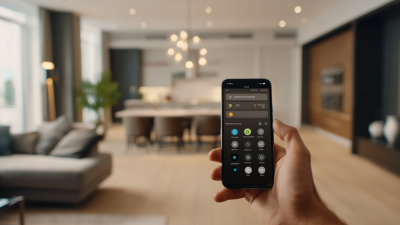
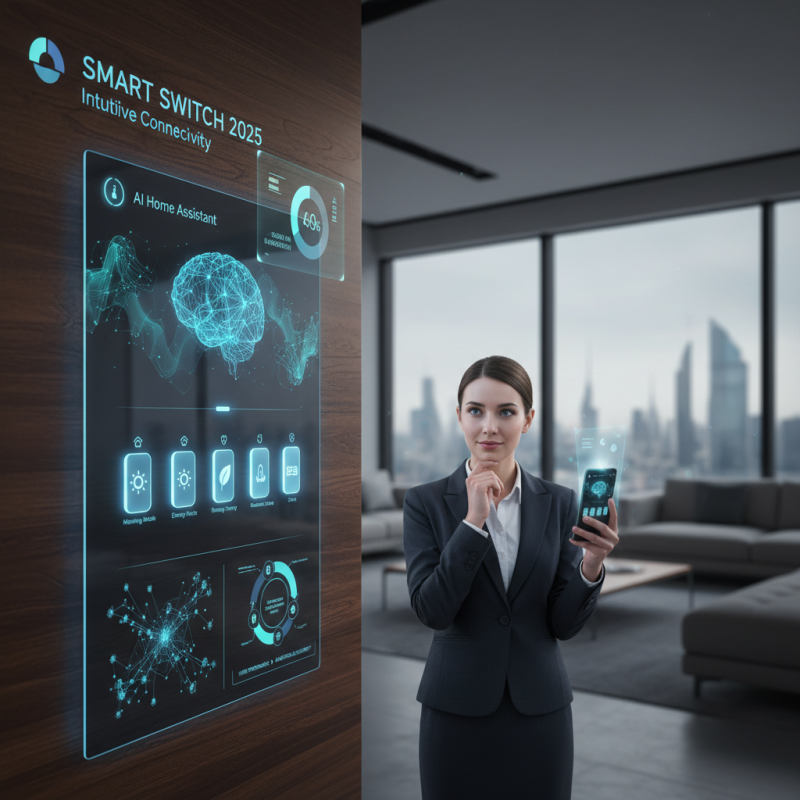
As we head into a more connected world, it's pretty clear that Smart Switch technology is becoming a must-have for our homes. I mean, according to a recent report by MarketsandMarkets, the smart home market is expected to hit a whopping $174 billion by 2025. And right at the heart of this boom are smart switches—they’re really changing the game. Not only do they make our lives more convenient and help us automate things around the house, but they also save energy, which is a big win for anyone trying to be more eco-friendly.
Dr. Jane Thompson, a well-known researcher in Home Automation, puts it nicely: “Getting on board with Smart Switch tech is a crucial step towards building homes that are energy-efficient and can really adjust to what we need.” With all the advancements in connectivity, user interfaces, and energy monitoring, it’s fair to say smart switches are about to totally change how we manage our living spaces.
Looking ahead to 2025, if you’re thinking about upgrading your home, the best smart switches out there will seriously improve your lifestyle. Plus, they’re paving the way for a more sustainable future. So, getting familiar with these latest features and tech is pretty much essential if you want to stay ahead in the world of smart home living.
Overview of Smart Switch Technology and Its Benefits
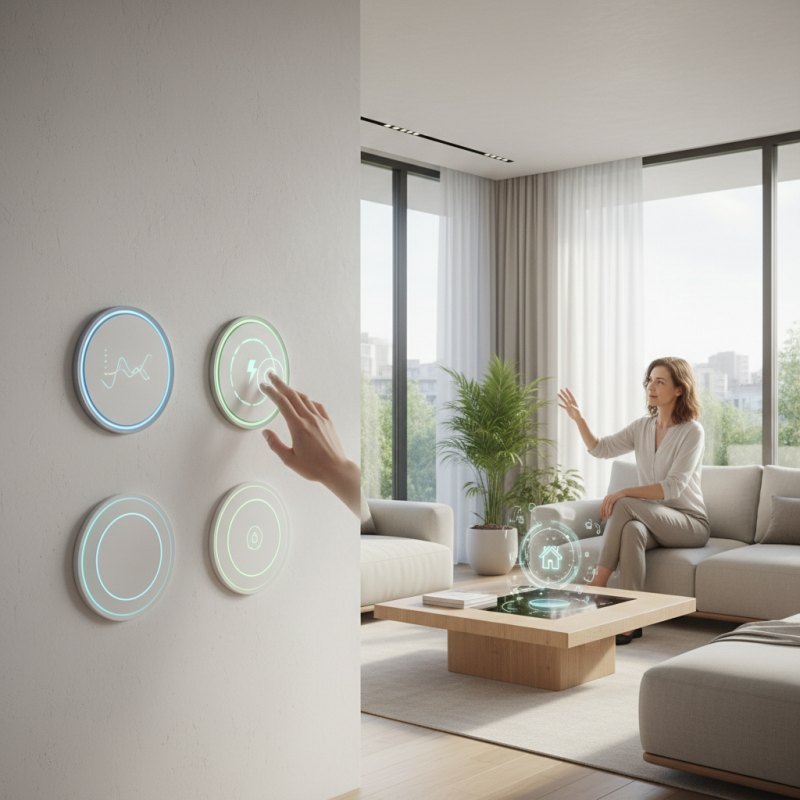
Smart switch technology has revolutionized the way we manage lighting and electrical devices in our homes. These innovative switches are equipped with Wi-Fi, Bluetooth, or Zigbee connectivity, allowing users to control their lights remotely through smartphones, tablets, or even voice-activated assistants. This not only enhances convenience but also enables energy savings by allowing users to schedule operations or turn off lights when not in use. With the integration of smart switches, homeowners can create the perfect ambiance for any occasion, adjusting brightness and color to suit their mood or the time of day.
When looking to implement smart switch technology in your home, consider the following tips. First, ensure compatibility with your existing smart home ecosystem, as this will influence your overall ease of use and functionality. Second, plan your switch placements carefully—central locations near entrances or frequently used areas can greatly enhance convenience. Lastly, explore the automation features offered by smart switches; setting routines can help you save energy while also improving security through simulated occupancy.
With the advancements in smart home technology, the benefits of smart switches extend beyond just convenience. They contribute significantly to energy efficiency and can enhance home security by allowing users to control lights remotely or set timers. Embracing smart switch technology means not only modernizing your home but also adopting a more sustainable lifestyle that aligns with the demands of the future.
Top Smart Switches to Consider for Your Home in 2025
Key Features to Look for in Smart Switches
When selecting smart switches for your home in 2025, understanding the key features that enhance functionality is essential. First and foremost, compatibility with various smart home ecosystems, such as Amazon Alexa, Google Assistant, and Apple HomeKit, is crucial. According to a report by MarketsandMarkets, the smart home market is projected to reach $135.3 billion by 2025, indicating a growing trend towards connected devices. Ensuring that your chosen smart switch can integrate seamlessly with other devices will enhance your smart home experience significantly.
Additionally, look for features like dimming capabilities and scheduling options. Dimmer switches allow you to adjust the brightness according to the time of day or activity, contributing to energy savings. A study by the U.S. Department of Energy highlights that smart lighting can reduce energy use by up to 30%. Scheduling capabilities enable you to automate your lights, which not only adds convenience but also enhances security when you are away from home.
Tip: When choosing a smart switch, ensure it has easy installation and user-friendly mobile app support. This can save you time and make it easier to customize your settings according to your personal preferences. Furthermore, prioritize switches that offer remote control access, allowing you to manage your lighting from anywhere, which can be particularly useful for busy households.
Top Smart Switch Brands to Consider in 2025
When considering smart switches for your home in 2025, it's essential to focus on the leading brands that stand out due to their innovation, reliability, and user-friendly features. The market is becoming increasingly competitive, with several manufacturers offering robust solutions that enhance home automation.
Key qualities to look for include compatibility with various smart home ecosystems, durability, and an intuitive design that simplifies installation and usage.
Leading brands are investing in cutting-edge technology, integrating voice control and app-based management to provide seamless user experiences. The trend towards energy efficiency is also gaining momentum, as many products now feature energy monitoring capabilities, allowing homeowners to track usage effectively.
Additionally, advancements in design aesthetics mean that smart switches can blend elegantly into any home decor, making them not only functional but also stylish. As you prepare for 2025, consider the features and support options each brand offers to choose the best smart switch for your needs.
Comparison of Smart Switch Types: Wi-Fi, Zigbee, and Z-Wave
When selecting smart switches for your home in 2025, understanding the differences between Wi-Fi, Zigbee, and Z-Wave technologies is crucial. Wi-Fi smart switches are among the easiest to set up, allowing direct connection to your home network without the need for additional hubs. They enable full control through mobile apps and voice assistants, making them user-friendly and convenient. However, heavy reliance on Wi-Fi might lead to performance issues in homes with extensive smart device usage.
On the other hand, Zigbee and Z-Wave operate on low-power, mesh network protocols which enhance reliability in larger spaces. Zigbee boasts a vast ecosystem, allowing for connections among numerous devices while maintaining efficiency. Z-Wave, however, is health-conscious in its frequency use, which translates to less interference and typically longer battery life for connected devices. Selecting between these options often comes down to the specific needs of your smart home setup.
Tips: When choosing between smart switch types, consider the layout of your home and the number of devices you plan to connect. If you have many gadgets, Zigbee might be beneficial due to its mesh capabilities. Also, ensure robust Wi-Fi coverage in your home if opting for Wi-Fi switches. Lastly, keep an eye on future compatibility and integration with other smart home devices for a seamless experience.
Installation Process of Smart Switches for Homeowners
The trend of smart home technology is rapidly growing, with the smart switch market projected to reach over $13 billion by 2025, according to a recent report by MarketsandMarkets. For homeowners looking to upgrade their living spaces with smart switches, understanding the installation process is essential. Generally, installing smart switches can be classified into two main processes: replacing traditional switches and integrating advanced functionality. Homeowners should ensure their electricity is turned off to prevent accidents during installation.
Once the power is cut, the existing switch can be removed by unscrewing it from the wall. The wires from the old switch must be carefully connected to the smart switch according to guidance, typically including a neutral wire, a line wire, and a load wire. To guarantee safety and avoid electrical hazards, it’s advisable to consult the National Electric Code (NEC) and check local electrical codes before proceeding. A recent survey by the Consumer Technology Association indicated that 56% of homeowners prefer DIY installations but recommend hiring licensed electricians for more complicated setups. With the right preparation and understanding, homeowners can easily implement smart switches into their homes, enhancing both convenience and energy efficiency.
Integration of Smart Switches with Home Automation Systems
The integration of smart switches with home automation systems represents a significant leap toward a seamless and intelligent living environment. As homeowners increasingly seek ways to enhance convenience and efficiency, smart switches serve as a crucial component in controlling lighting and appliances from a single interface. By connecting to central home automation hubs, these switches can be programmed to create custom settings, responding to specific conditions or schedules. For instance, homeowners can set their lights to automatically adjust based on natural light levels or activate at a predetermined time, offering both energy savings and improved security.
Moreover, the interoperability of smart switches with various home automation systems allows for enhanced user experiences. Smart switches can communicate with devices like smart thermostats, security systems, and voice assistants, enabling comprehensive control over the home environment. Users can, for instance, create scenes that align with their daily routines—turning on lights, adjusting the thermostat, and locking doors simultaneously with a single command. This level of connectivity not only simplifies everyday tasks but also empowers users to personalize their home settings, making the integration of smart switches a valuable consideration for any modern household.
Future Trends in Smart Switch Technology for 2025 and Beyond
As we look ahead to 2025, smart switch technology is poised to evolve significantly, integrating more advanced features that enhance user experience and connectivity. One of the most prominent trends is the increasing adoption of artificial intelligence within smart switches. This allows devices to learn user preferences and routines, automatically adjusting settings for optimal energy efficiency and convenience. With the rise of machine learning algorithms, smart switches will become more intuitive, enabling seamless interaction between users and their home environment.
Another noteworthy trend is the emphasis on interoperability and compatibility amongst smart home devices. As homeowners seek to create more cohesive systems, future smart switches will prioritize integration with a wider array of devices and platforms. This move towards a universal ecosystem will simplify setup and operation, allowing users to control lighting, appliances, and home security from a single interface. Enhanced features such as voice control, remote access, and mobile app integrations will further streamline functionality and offer greater control over home automation, making smart switches an essential component of modern living spaces.
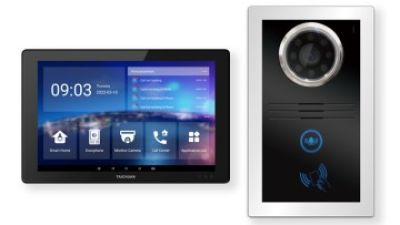
Enhancing Home Security and Communication: Insights from the Latest Market Reports on Smart Intercom Systems like 18B & DA-X1
Smart intercom systems have revolutionized the way we enhance home security and communication, making it easier than ever to monitor and manage access to our homes. These advanced devices are designed for ease of use, featuring a plug-and-play setup that allows homeowners to connect effortlessly to their WiFi networks. With the convenience of one-touch calling, talking, and unlocking, users can interact with visitors without the need for physical keys, creating a seamless experience for both residents and guests.
Moreover, modern intercom systems provide unparalleled flexibility with their smartphone app controls. Whether at home or away, users can oversee their home security through cloud intercom features, ensuring they can monitor and respond to events in real-time. Integration with smart home technologies further enhances these systems, allowing for automated interactions and improved security management. Available power supply methods like standard Power over Ethernet (PoE) or DC options also provide homeowners with versatility in installation and operation, making smart intercom systems a wise investment for anyone looking to augment their home security solutions.
FAQS
: Smart switch technology allows users to manage lighting and electrical devices in their homes remotely through connectivity options like Wi-Fi, Bluetooth, or Zigbee, enhancing convenience and energy efficiency.
Smart switches enable users to schedule operations, turn off lights remotely, and create routines, which helps in reducing energy consumption when devices are not in use.
Ensure compatibility with your existing smart home ecosystem, select central switch placements for convenience, and explore automation features for energy saving and security enhancements.
The main types include Wi-Fi, Zigbee, and Z-Wave. Wi-Fi switches are easy to set up but may face performance issues in homes with many devices, while Zigbee and Z-Wave offer reliable connectivity in larger spaces through low-power mesh networks.
Zigbee supports a wide ecosystem of connected devices with mesh networking for efficiency, while Z-Wave uses a frequency that reduces interference and generally provides longer battery life for devices.
Future trends include increased adoption of artificial intelligence for optimizing user preferences, improved interoperability among devices for easier integration, and enhanced features like voice control and mobile app integration.
Consider your home layout, the number of devices you wish to connect, the robustness of your Wi-Fi coverage, and ensure future compatibility with other smart home devices.
They enhance energy efficiency, improve home security by allowing remote control of lights, and contribute to a modern, sustainable lifestyle.
Conclusion
The article "Top Smart Switches to Consider for Your Home in 2025" explores the evolving landscape of smart switch technology, highlighting its numerous benefits such as enhanced convenience, energy efficiency, and improved home security. It emphasizes the key features to consider, such as compatibility with various home automation systems, user-friendly interfaces, and remote access capabilities.
Furthermore, the piece compares different types of smart switches, including Wi-Fi, Zigbee, and Z-Wave, helping homeowners understand their options. The installation process is discussed, making it accessible for DIY enthusiasts, while future trends indicate that smart switch technology will continue to integrate seamlessly with smart home systems, offering even greater functionalities in the years to come. Overall, smart switches represent a significant advancement in home automation, providing both practical and innovative solutions for modern living.