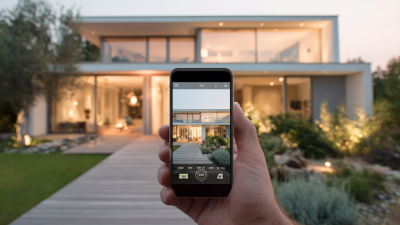
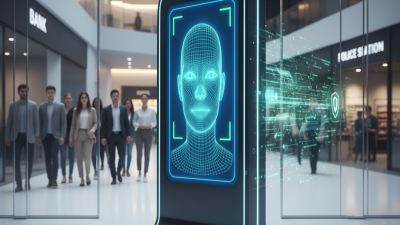
Looking ahead to the 139th Canton Fair in 2026, all eyes are on the Smart Electronicindustry. Experts say this event will showcase game-changing innovations that could really reshape how we interact with technology. Dr. Ella Thompson, a well-known expert in smart tech, points out, “The future of Smart Electronic devices is all about how well they can blend into our everyday lives.”
One exciting thing to watch during the fair is the integration of AI-powered features, which should make life easier for buyers. Things like AI smart search and navigation tools will help them find suppliers with specific certifications, like ISO or CE—pretty handy, especially given the massive 1.55 million square meters of exhibition space. But not everyone’s convinced these tech advancements will fully meet what consumers are really looking for.
Plus, some folks might still find certain Smart Devices a bit tricky to use. While the whole point of Smart Electronics is to make life simpler, complicated setups or confusing interfaces can turn people off from adopting new gadgets. Finding that sweet spot between the latest tech and easy, intuitive design is a real challenge. Still, visitors will get a chance to see the coolest trends in Smart Electronics, from high-tech home appliances to brand-new materials that could change the game.
Emerging Smart Electronic Technologies at the Canton Fair 2026
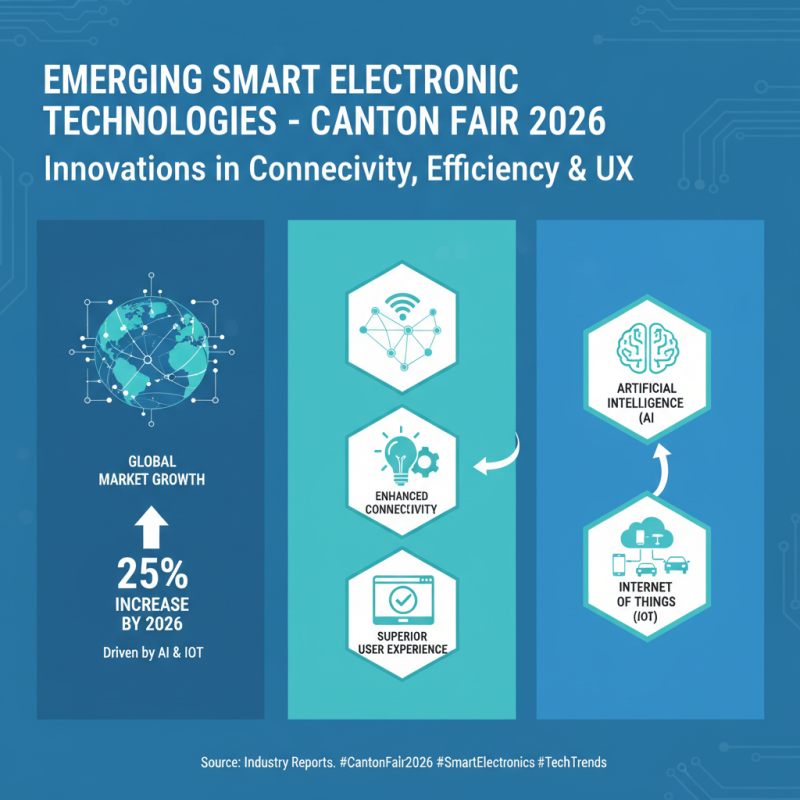
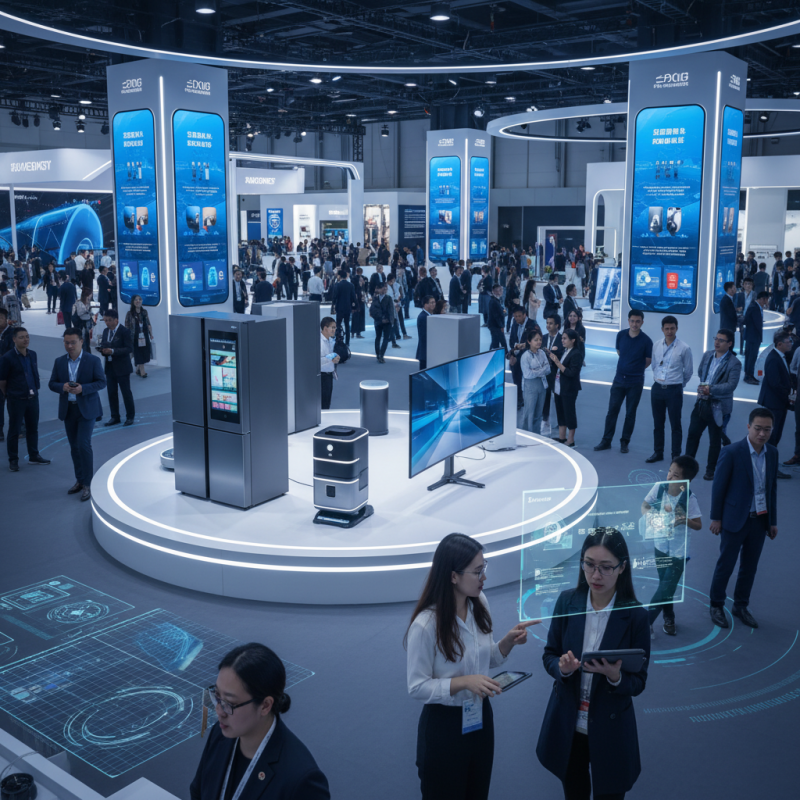
The Canton Fair 2026 is set to showcase exciting trends in smart electronics. Emerging technologies will focus on enhancing connectivity, efficiency, and user experience. Industry reports indicate a projected growth rate of 25% in the global smart electronics market by 2026. This growth is driven by advancements in artificial intelligence (AI) and the Internet of Things (IoT).
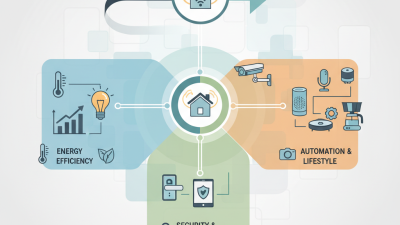
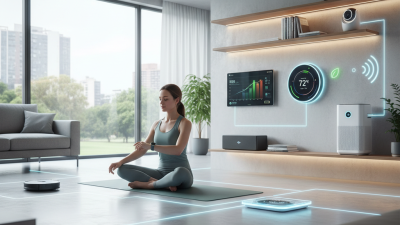
Several products will dominate the fair this year. One category includes Smart Home devices, which are expected to see increased integration withOEM Smart Electronic solutions. These devices will not only automate daily tasks but also learn user preferences over time. For instance, smart thermostats can adjust temperatures based on behavior patterns, enhancing energy efficiency.
Wearable technology will also play a key role at the fair. Health-monitoring gadgets are becoming more sophisticated, offering real-time data tracking. Reports show that 70% of consumers want wearables that provide comprehensive health insights. However, concerns around data privacy and accuracy persist. Manufacturers must address these issues to gain consumer trust. As the fair approaches, the balance between innovation and responsibility remains a crucial point of reflection.
Innovative Designs in Smart Home Devices Showcased in 2026
The 2026 Canton Fair showcased an array of innovative designs in smart home devices. Attendees noticed an exciting shift towards sustainability. Many devices use eco-friendly materials and energy-efficient technologies. This focus on green solutions drew a lot of attention from environmentally conscious buyers.
Smart home appliances now feature intuitive interfaces. Voice control and touch displays enhance user experience. Visitors were particularly impressed by devices that learn users' habits. They can predict needs and adjust settings automatically. However, this reliance on technology raises questions. Privacy concerns linger as many of these devices collect personal data.
Tips: When exploring smart home devices, consider your real needs. Do you want convenience or security? Research thoroughly before making a purchase. New technology can often feel overwhelming. Don't rush; take your time to understand what's best for your home.
Advancements in Wearable Technology Featured at the Fair
The 2026 Canton Fair showcased remarkable advancements in wearable technology. Innovations like smart glasses and fitness trackers attracted significant attention. According to industry reports, the global wearable technology market is projected to reach $62.82 billion by 2027, expanding at a CAGR of over 15%.
Many products offered enhanced health monitoring. Devices now track heart rate, sleep patterns, and even blood oxygen levels. Some showcased at the fair featured AI algorithms to predict health issues. However, accuracy remains a challenge. Users must be cautious about over-relying on these devices for critical health decisions. Smart Electronic Company highlighted this concern during their presentation.
Not all tech was flawless. Many products had usability issues. For instance, some devices were cumbersome to wear for long periods. Others lacked compatibility with existing software. Consumers often find frustration when technology fails to seamlessly integrate. This sparks discussions on the future of product design. As the wearable tech landscape evolves, the need for user-friendly devices is paramount.
Artificial Intelligence Integration in Smart Electronics
The 2026 Canton Fair is set to showcase the latest trends in smart electronics, especially integrating artificial intelligence. AI is revolutionizing product functionality, learning user preferences to enhance experiences. Smart devices are becoming intuitive, anticipating needs to provide seamless interactions.
Tips: When exploring smart electronics, pay attention to AI features. They should offer real value. Look for systems that adapt over time instead of static functions. This adaptability is crucial for future-proofing your technology.
Many Smart Electronic Companies are emphasizing design and user interface. The focus is on creating devices that are user-friendly. However, not all products succeed in this area, leading to frustration. Usability should always be prioritized to avoid unnecessary complexity.
Tips: Test devices before committing. Ensure the integration of AI enhances usability, not hinders it. Achieving balance is vital for satisfaction with smart technology. AI should simplify tasks, not complicate them.
Sustainability Trends in Technology at the 2026 Canton Fair
The 2026 Canton Fair will showcase innovative technology trends with a strong focus on sustainability. Many companies are shifting toward eco-friendly materials and processes. Smart Electronic Manufacturers are aiming to reduce waste and energy consumption. Products are designed with recyclability in mind, promoting a circular economy. This shift reflects a growing awareness of environmental issues among consumers.
At the fair, visitors can expect to see gadgets powered by renewable energy sources. Solar chargers, energy-efficient devices, and smart home solutions will dominate the exhibition halls. There’s also a noteworthy emphasis on minimizing carbon footprints in production. However, challenges remain. Not all manufacturers can afford green technologies. Some may still rely on traditional methods that harm the environment.
Moreover, the balance between innovation and sustainability is tricky. Companies must not overlook the importance of affordability. Consumers want smart products, but they also care about price. This creates tension between advanced features and eco-conscious choices. As technology evolves, smart electronic manufacturers must navigate these complexities, ensuring progress aligns with environmental responsibility.
Impact of 5G Connectivity on Smart Devices Exhibited
The 2026 Canton Fair highlights a significant shift in smart electronic trends, particularly influenced by 5G connectivity. This faster network technology enhances the functionality of smart devices. Imagine home automation systems that respond in real-time. Voice-activated assistants can now control appliances almost instantaneously. This level of responsiveness was not possible with previous connectivity standards.
However, the rapid expansion of 5G also brings challenges. There are ongoing debates about security risks associated with interconnected devices. Vulnerabilities in 5G networks could expose personal data. It’s essential for manufacturers to address these concerns. Many exhibits showcase advanced security protocols, yet questions linger. Will these measures be enough to protect users? As smart devices grow more integrated, the balance between convenience and security must be critically examined.
The Canton Fair is a showcase of innovation, but it's also a mirror reflecting industry anxieties. Observers noted that while many booths displayed cutting-edge technology, some still had basic issues. Connectivity drops and device incompatibility were mentioned. Such imperfections highlight the need for industry standardization. Addressing these flaws will be crucial if smart devices are to thrive in an increasingly connected world.
Future Prospects for Smart Electronics Post-Canton Fair 2026
The 2026 Canton Fair showcased many innovative smart electronic products. As we look to the future, the implications of these advancements are significant. Smart home devices and wearable technology were highlights. They promised to enhance everyday life. However, the real challenge lies in their integration into our daily routines.
Consumers are eager for seamless experiences. Yet, many of these gadgets still require adaptation and learning. There is excitement about automation, but hesitation remains. Will users embrace the changes? Additionally, issues like data privacy need consideration. Users must feel secure with new devices managing personal information.
Moreover, sustainability is critical. Many new products aim for eco-friendly designs. However, the production processes often pose environmental questions. Progress is uneven. The future of smart electronics depends on addressing these concerns effectively. Companies will need to innovate responsibly while encouraging user trust.
Top 10 Smart Electronic Trends at 2026 Canton Fair
| Trend | Description | Potential Impact | Market Growth (%) |
| AI Integration | Incorporating artificial intelligence for enhanced user experience and automation. | Improved efficiency and personalization in electronic devices. | 25% |
| IoT Connectivity | Devices increasingly connected through IoT for seamless communication. | Enhanced convenience and control for consumers. | 30% |
| Wearable Technology | Advancements in smartwatches and health trackers for personal data collection. | Increased awareness of health and fitness. | 18% |
| Smart Home Devices | Integration of smart technology in home appliances for automation. | Greater home security and energy efficiency. | 22% |
| Augmented Reality (AR) | Use of AR in consumer electronics for enhanced interaction. | Revolutionizing retail and service industries. | 28% |
| Sustainable Tech | Focus on eco-friendly materials and energy-efficient designs. | Meet growing consumer demand for sustainability. | 20% |
| 5G Technology | Deployment of 5G networks enabling ultra-fast connectivity. | Enhanced performance for smart devices in various sectors. | 30% |
| Blockchain Security | Leverage blockchain for secure transactions and data protection. | Increased consumer trust in electronic transactions. | 15% |
| Cloud Computing | Utilization of cloud services for data storage and processing. | Flexibility and scalability in electronic solutions. | 22% |
| Smart Robotics | Advancements in robotics for industrial and domestic applications. | Increased productivity and labor efficiency. | 25% |
Enhancing Home Security and Communication with the 18B & DA-X1 10 Inch Smart IP Intercom Kit
In today's rapidly evolving technological landscape, the importance of enhancing home security and effective communication cannot be overstated. The integration of smart devices into homes has significantly increased security measures and connectivity. A recent study by Statista highlighted that the smart home market is projected to reach $174 billion by 2025, emphasizing the growing demand for innovative solutions in residential security systems.
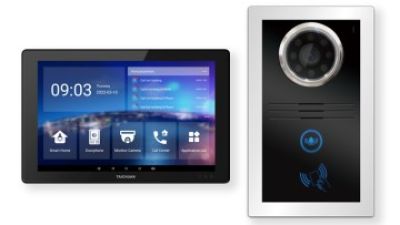
The 18B & DA-X1 10 Inch Smart IP Intercom Kit offers a seamless experience for homeowners looking to bolster their security. Its plug-and-play setup makes installation straightforward, allowing users to quickly integrate it into their home networks. With features like one-touch calling, talking, and unlocking, it enables effortless interaction with visitors at the door. Furthermore, the device boasts WiFi connectivity for internet access, which is essential for remote monitoring and communication.
Smartphone control presents another layer of convenience, allowing users to manage their intercom as well as cloud monitoring from anywhere at any time. This aligns with the growing trend toward remote management, with 82% of consumers indicating that they value having access to home security systems via mobile apps. Additionally, the kit supports standard Power over Ethernet (PoE) or DC 12V power supply methods, simplifying the installation process and improving overall reliability. With smart home integration, this intercom system not only enhances security but also elevates the overall living experience by providing users with comprehensive control and peace of mind.
FAQS
: The trend focused on sustainability with eco-friendly materials and energy-efficient technologies.
They feature intuitive interfaces, voice control, and touch displays that are user-friendly.
Privacy concerns arise because many devices collect personal data during use.
Evaluate your needs for convenience or security; research thoroughly before purchasing.
Innovations included smart glasses and fitness trackers with enhanced health monitoring features.
Accuracy can be an issue; users should not over-rely on these devices for health decisions.
Ensure AI features adapt over time and provide real value, avoiding static functions.
Usability issues can frustrate consumers, making it crucial to prioritize simple interactions.
Test devices beforehand to confirm that AI enhances usability rather than complicating tasks.
Devices may be cumbersome to wear or lack compatibility with existing software.
Conclusion
The 2026 Canton Fair showcased a myriad of emerging trends in Smart Electronic technologies, highlighting the rapid advancements shaping the future of this sector. Among the innovative designs presented, smart home devices stood out with their user-friendly interfaces and enhanced functionality, demonstrating a shift towards more integrated living spaces. Additionally, advancements in wearable technology were prominently featured, reflecting a growing emphasis on health and fitness monitoring capabilities.
Artificial intelligence integration in Smart Electronics was a key theme, illustrating how AI enhances device interactivity and efficiency. Sustainability emerged as a priority, with many exhibitors focusing on eco-friendly technologies to meet the demand for greener solutions. The impact of 5G connectivity on smart devices was another crucial topic, paving the way for faster communication and improved user experience. Overall, the fair provided valuable insights into the future prospects for Smart Electronics, with expectations of continuous innovation and societal integration.