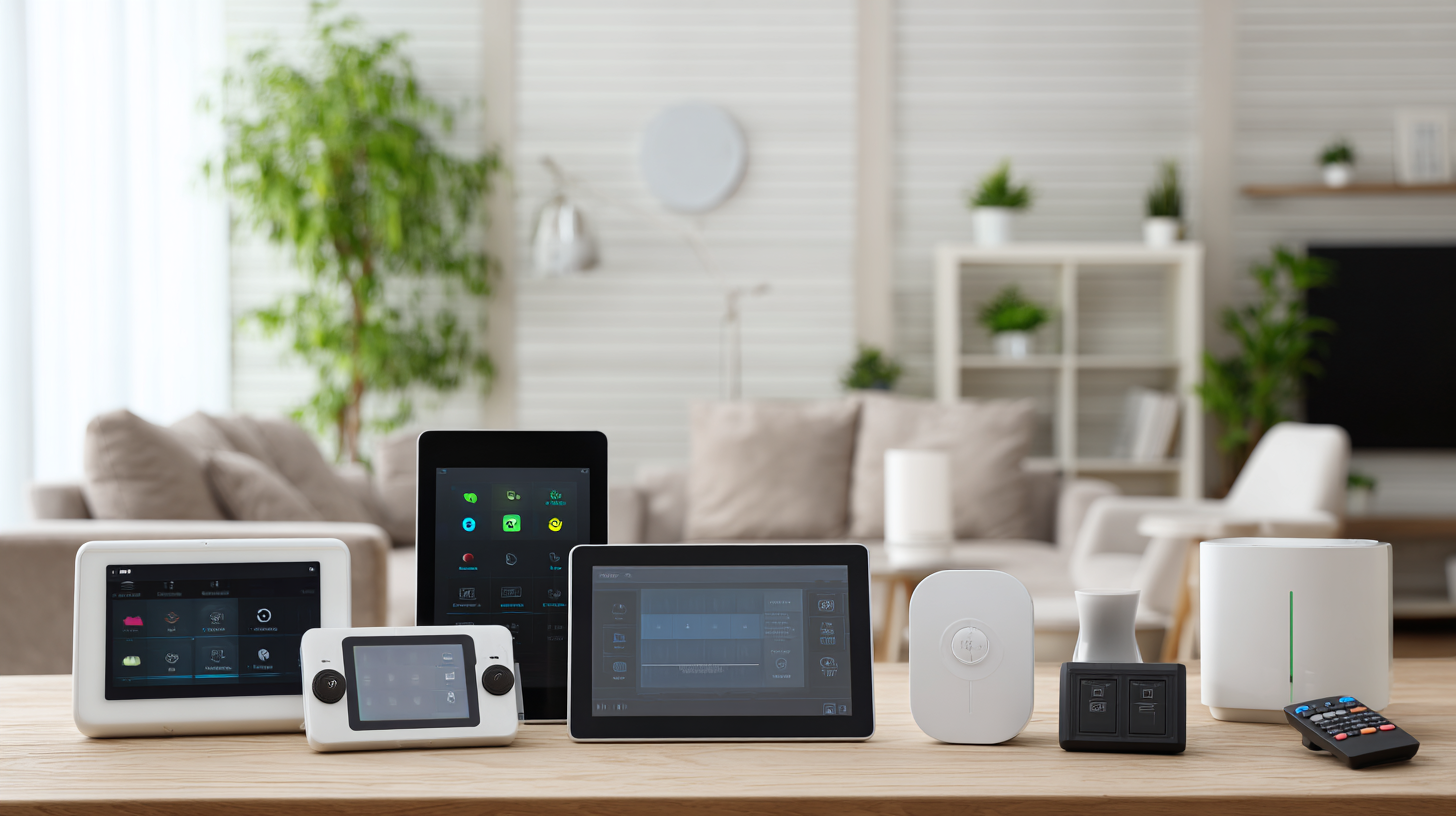
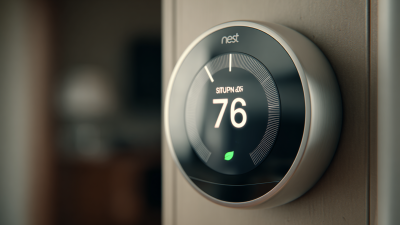
As Smart Home Tech keeps evolving, picking the right Home Control System has become pretty important for homeowners who want to upgrade their living spaces with more automation and connectivity. I mean, according to a recent report by MarketsandMarkets, the smart home market is expected to jump from around $76 billion in 2020 to over $300 billion by 2025 — pretty wild, right? It really shows how folks are shifting towards integrated home management solutions. Companies like Zhuhai Taichuan Cloud Technology Co., Ltd. are leading the charge here. They’ve been working with smart intercom tech since 1999, and now they’re pushing the boundaries with new and innovative solutions to make home automation easier. And with their upcoming IPO, it’s a great example of how fast the smart home scene is changing — it just goes to show how important it is to find the right Home Control System that fits the diverse needs of today’s homeowners.
Understanding Your Smart Home Needs for Effective Control
As smart home tech keeps getting better and more advanced, it’s really important to understand what YOU need before choosing the right home control systems. Right now, the European smart home market is sitting at around $26 billion, and experts forecast it’ll grow at a pretty steady pace—something like over 17.6% annually—up until 2032. This mainly comes from people wanting more energy efficiency and a greener lifestyle. So, if you’re thinking about upgrading your home, it’s a good idea to figure out your top priorities—whether that’s saving on energy bills, boosting security, or just making your home smarter and more connected.
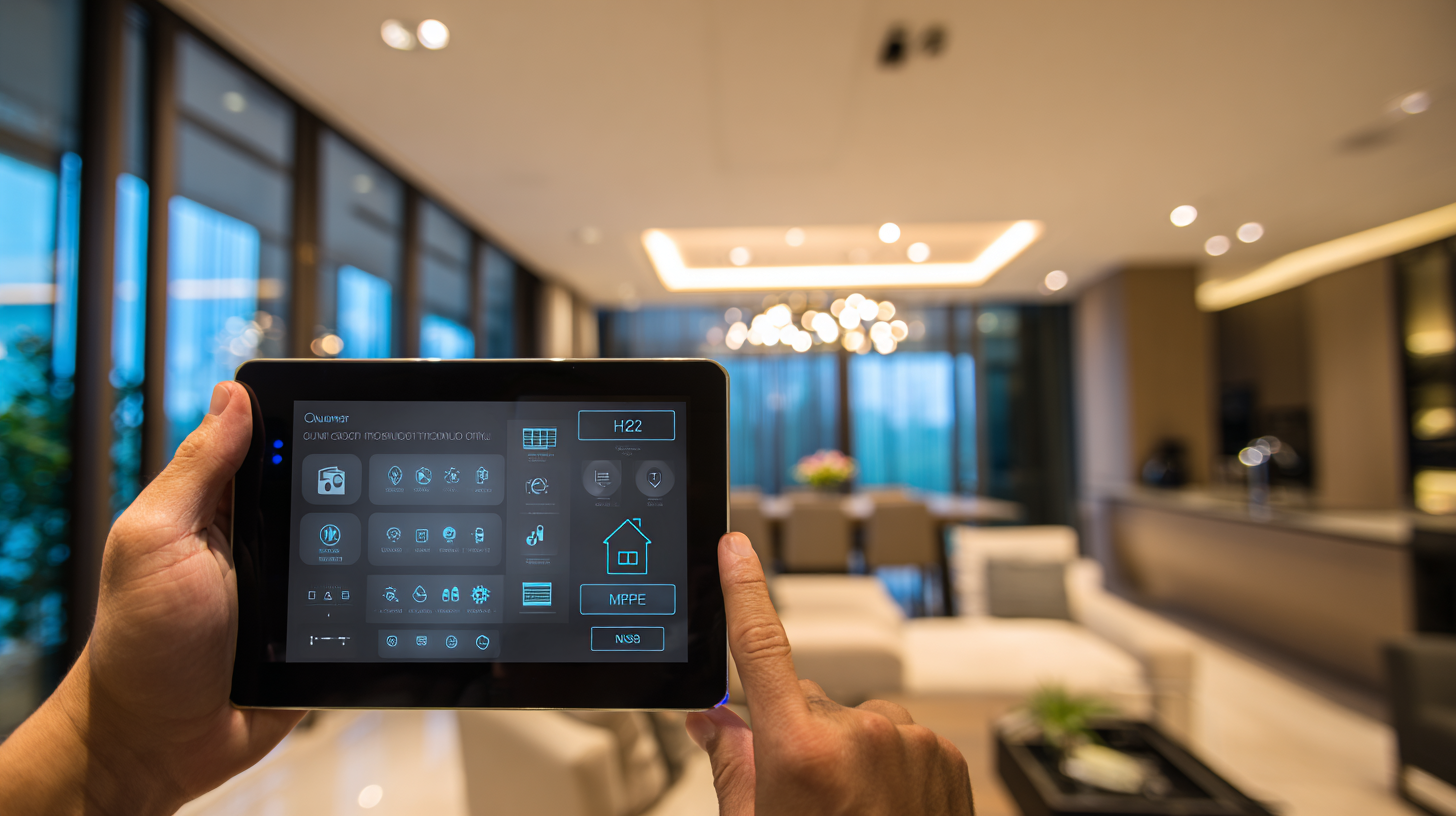
And with new tech like AI and IoT coming into play, smart homes aren’t just about gadgets anymore—they’re turning into pretty slick, integrated systems that just work smoothly. These days, consumers want things to be effortless—devices that kinda ‘know’ what you need without you having to fiddle with them. Imagine waking up and curtains automatically open to let in that perfect morning light, or your AC kicking in a bit earlier to cool things down just right—before you even step into the room. The more you check out your own needs and take advantage of how these systems are evolving, the easier it becomes to create a home that’s more efficient, personalized, and just plain more enjoyable to live in.
Key Features to Look for in Home Control Systems
So, when you're on the hunt for a home control system for your smart home, there are a few features you definitely want to keep in mind. Did you know that, according to a recent report by Statista, the global smart home market is expected to hit a whopping $174 billion by 2025? That just shows how much everyone’s craving reliable home automation stuff these days. One big thing to look for is interoperability—that’s just a fancy way of saying the system should work smoothly with all kinds of devices and protocols, like Zigbee or Z-Wave. That way, all your gadgets from different brands can talk to each other without a hassle.
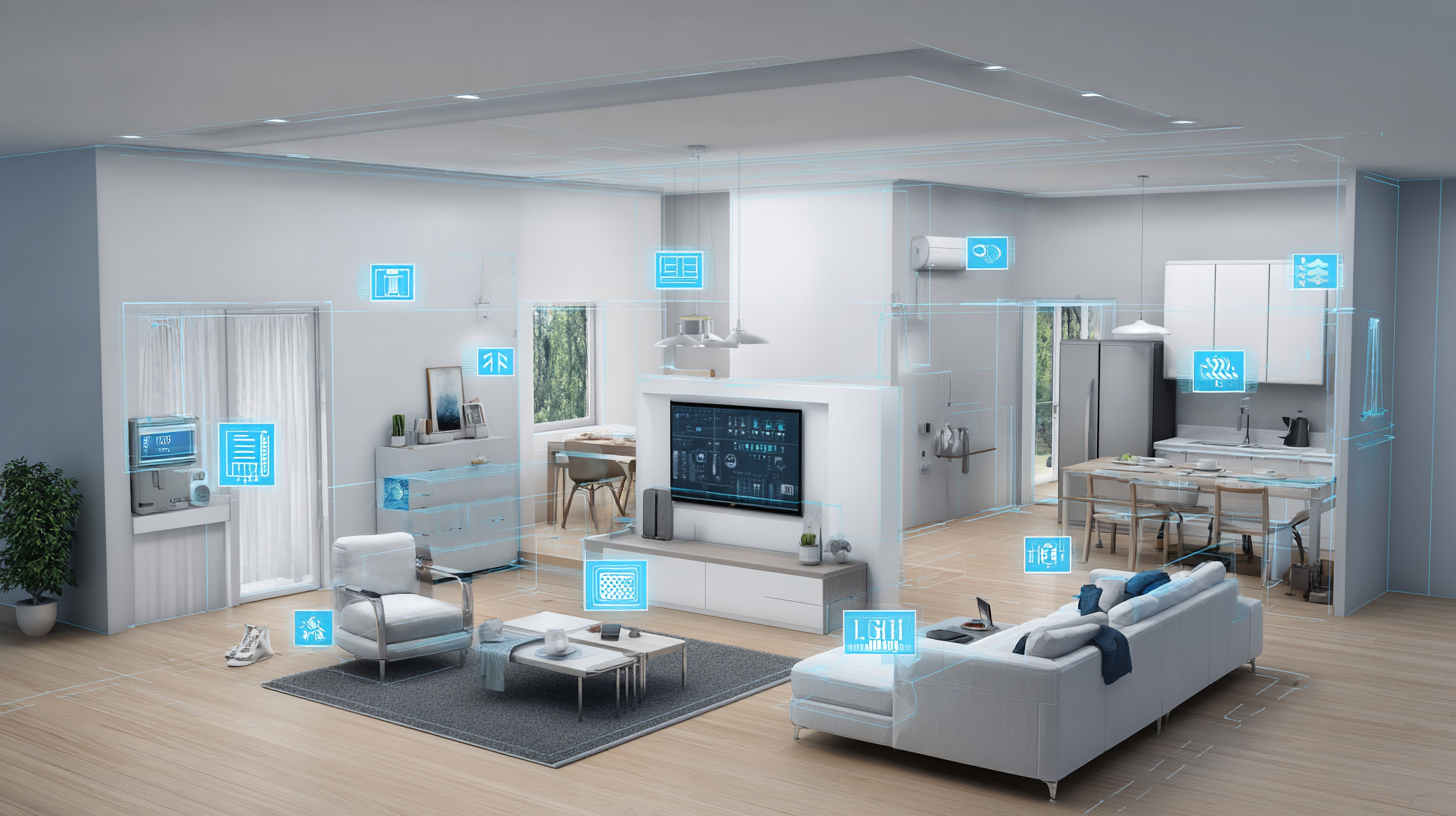
Another thing that’s super important is how easy the system is to use. A survey from Parks Associates revealed that about 64% of smart home users care most about how simple it is to navigate and control their setup. So, try to find platforms that have straightforward mobile apps and voice control features—trust me, it makes life so much easier. Plus, security shouldn’t be an afterthought. Make sure the system offers solid protections like end-to-end encryption and two-factor authentication. After all, with smart devices being targets for cyber threats more than ever, investing in a system that’s both user-friendly and secure is a total game-changer for your smart home experience.
Comparing Different Types of Smart Home Control Technologies
When you're thinking about setting up a smart home, picking the right control tech is kind of a big deal. The smart home scene has blown up recently — I mean, according to Statista, they’re saying the global market could hit about $135 billion by 2025. Crazy, right? But here’s the thing: there are tons of different control options out there, each with their own little perks and quirks.
One of the most popular choices is Wi-Fi-based home automation. It’s pretty appealing because it’s super easy to set up and plays nice with the Wi-Fi you already have at home. MarketsandMarkets actually reports that this kind of tech is likely to stay ahead of the pack, mainly because almost everyone’s got a smartphone or a similar device now.
Then there’s Z-Wave and Zigbee — these are kinda like the unsung heroes for smart homes. They’re low-power, mesh-network protocols, which basically just means they can connect lots of devices without sucking too much energy. This makes them ideal if you're into energy savings — the International Energy Agency even mentioned that smart systems can cut energy use by up to 30%. Pretty neat, huh?
And let's not forget about voice-activated systems. Thanks to AI, these are getting pretty popular. A recent survey from Voicebot.ai showed that almost 34% of households in the U.S. are rocking smart speakers, which kinda shows how much people love a hands-free way to control stuff.
Honestly, understanding the pros and cons of these different options is key if you want your smart home setup to match your dreams. It’s all about finding what works best for you, ya know?
Evaluating Compatibility with Existing Smart Devices
When you're choosing a home control system, it's super important to make sure it plays nicely with the smart devices you already have. One area that's really catching everyone's eye right now is the integration of new tech into door lock systems. You know, stuff like biometric authentication — fingerprint scans or facial recognition — those are really pushing the envelope. They not only make life a lot easier for users but also bring serious security, since they rely on unique biological features of each person. As more folks look for smarter, safer homes, the need for these kinds of integrated systems is definitely on the rise.
And it’s not just about smart homes — digital upgrades are changing the game in so many industries, too. More companies are adopting intelligent solutions to boost efficiency and up their quality game. For example, in sectors like petrochemicals, the push towards digital transformation is speeding up, with firms turning to artificial intelligence to get more done and meet sustainability goals. The trend towards smart technology in homes really mirrors this bigger shift — where innovation and advanced systems are shaping the future, not just for our houses, but for industry as well.
Budgeting for Your Smart Home Control System Purchase
Thinking about jumping into a smart home control system? Well, one of the first things you really gotta figure out is your budget. It’s not just about the price tag on the system itself—don’t forget, there are other costs too, like installation, regular maintenance, and maybe even some upgrades down the line. Putting together a solid budget early on can save you from overspending and help you pick something that actually fits your wallet.
And here’s the thing—while those initial costs are important, you should also keep in mind the long-term benefits. For example, energy-efficient gadgets can save you a decent chunk on your utility bills, and automation features? They make life a lot easier and can even lower your insurance premiums by boosting security. So, weighing both what you’ll spend now and what you could save later is super helpful. At the end of the day, investing in a good, versatile home control system can really upgrade your daily living—so it’s totally worth factoring into your budget."
Budget Analysis for Smart Home Control Systems
Tips for Installation and Setup of Your Control System
Setting up a home control system for your smart home isn’t just about plugging things in — it’s about thinking it through so everything works smoothly. First off, take a good look at your space and figure out where smart tech can really make a difference in your day-to-day life. Trust me, it’s helpful to decide early on which devices you want to connect — stuff like smart lights, security cameras, thermostats, you name it. Once you’ve got a plan, think about how all these gadgets will talk to each other and the central control system. And don’t forget to keep your Wi-Fi router in mind — placing devices close enough ensures a strong, reliable connection, which is super important.
After you’ve mapped everything out and chosen your devices, it’s time to start installing. I’d recommend taking it one step at a time — follow the manufacturer’s instructions carefully. Better to install a device, test it out, and then move on to the next. This way, if something’s not working right, you can troubleshoot without much hassle. Also, don’t neglect the settings — customizing automation like schedules, remote access, and user profiles can totally boost your experience and make your smart home way more convenient and fun to use.
FAQS
: You should assess your priorities such as energy savings, enhanced security, or home automation to select systems that align with your goals.
The European smart home market is currently valued at $26 billion.
The market is expected to witness a compound annual growth rate (CAGR) exceeding 17.6% through 2032.
These technologies enable sophisticated systems capable of seamless integration, allowing devices to intuitively respond to user presence and needs.
Budgeting should include the initial purchase, installation, maintenance, and potential upgrades.
Yes, energy-efficient devices can lower utility bills, and automation features can enhance convenience and possibly reduce insurance premiums.
A comprehensive budget helps avoid overspending and ensures that you choose a smart home system that fits within your financial limits.
Smart home systems can provide tailored experiences, such as automated curtains letting in natural light or air-conditioning systems adjusting to your comfort level before you enter a room.
Conclusion
In today's world where everything's so connected, choosing the right Home Control System really matters if you want to get the most out of your smart home. Honestly, the first step is to figure out what you actually need—this’ll help narrow down what features and setup options work best for you. When you're comparing different systems, keep an eye on how user-friendly they are, whether they play nicely with your existing devices, and how well they can link up with other smart tech you might have or plan to add later. It’s also a good idea to look at the types of control tech out there and see if they match what you have now—and might need in the future.
Money’s another big thing. Think about your budget and what you’re willing to spend on a system that’s gonna make your life easier but still fits within your wallet. And don’t forget, getting everything installed and set up right can make a huge difference in how happy you are with your system. If you're not super handy, it might be worth bringing in a pro to help out. By the way, Zhuhai Taichuan Cloud Technology Co., Ltd., is on top of this in the smart intercom space—they're all about coming up with cool solutions to make your smart home experience smoother, and they're with you every step of the way.