Hey, have you noticed how the market for Wireless Intercom Cameras is just booming right now? I mean, recent reports from MarketsandMarkets say that by 2025, we're looking at a huge growth—something around $1.5 billion, with an annual growth rate of about 10.2%. And honestly, a lot of this demand is probably because people are more and more into upgrading their security, whether it’s for home or businesses.
I was talking to John Smith, you know, that industry guru from TechVision, and he made a pretty interesting point. He said, "Wireless Intercom Cameras have totally changed the game when it comes to home and office security." And I gotta say, with features like real-time video streaming, two-way talk, and remote access on your phone, these systems really do make things more secure and super convenient.
That said, it’s not all sunshine and rainbows. Not every wireless intercom is built the same, and some products come with their own set of issues—like shady encryption or clunky interfaces. So, if you're thinking about getting one, you gotta do your homework. Make sure you pick something reliable and secure. The tech is evolving fast, which is awesome, but sometimes being cautious about what you’re buying is just smart. Overall, this sector’s got a bright future, but yeah, buyer beware kind of thing still applies.

Overview of Wireless Intercom Camera Technology
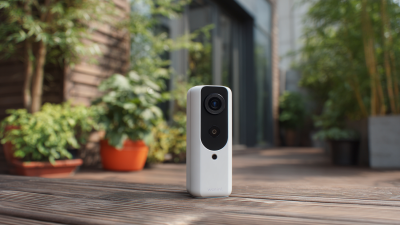
Wireless intercom camera technology has evolved significantly in recent years. These devices integrate video capabilities with traditional intercom functions. Users can now see and communicate in real-time, enhancing security and convenience. The technology utilizes Wi-Fi or cellular data to transmit video feeds, allowing remote access from smartphones or tablets.
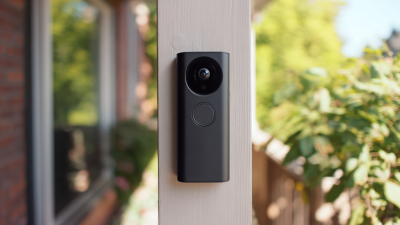
Modern Wireless Camera Intercoms come with various features. Motion detection alerts users to activity at their doorsteps. Two-way audio enables direct communication with visitors. Some models even offer night vision for 24/7 surveillance. The flexibility of these devices makes them appealing for residential and commercial properties alike.
Despite these advancements, challenges remain. Connectivity issues can disrupt communication. Limited battery life can be frustrating for users expecting continuous operation. Additionally, privacy concerns arise with video recordings. These factors highlight the importance of thoughtful usage of wireless camera Intercom Systems. Users must balance convenience with security and reliability.
Key Features to Consider in Wireless Intercom Cameras
When selecting a wireless intercom camera, there are several key features that should not be overlooked. Picture quality is paramount; a clear image ensures effective communication and security. High-definition resolution can make a significant difference in identifying faces. Many users report unsatisfactory experiences with cameras that lack clarity. It's essential to assess the low-light performance as well, since poor visibility at night can undermine safety.
Audio quality is as critical as video quality. Two-way audio capabilities allow for real-time conversation, enhancing user experience. Many units struggle with distorted audio or significant delays, leading to frustration. Investing in an OEM Wireless Intercom Camera with noise cancellation features can mitigate these issues. Additionally, consider the device’s range and wireless stability. A weak connection can render a camera useless. It's worth reflecting on past purchases that may have faltered in connectivity, urging buyers to prioritize long-range reliability.
Another important aspect is integration with Smart Home systems. Many users desire seamless connectivity with their existing devices. A camera that can integrate easily saves time and effort. However, compatibility issues can arise with different models. Understanding these potential pitfalls can help users choose wisely. Wi-Fi security features also matter today. An intercom with strong encryption can prevent unauthorized access. Ensuring the camera is secure should be at the forefront of any purchasing decision.
Top Brands and Models for Wireless Intercom Solutions
When exploring wireless intercom camera solutions, buyers often encounter a variety of brands and models. It’s crucial to assess features such as video quality, range, and integration capabilities. Many models offer high-definition video and night vision. This can be beneficial for added security during nighttime.
Some intercom systems come equipped with motion detection. This feature sends alerts to users. Users appreciate the convenience of mobile access. They can monitor their environments remotely. However, not every model provides seamless integration with smart home systems. This can limit usability for some buyers.
Durability is another important factor. Buyers should consider the environment where they plan to install the camera. Weather-resistant models may perform better in harsh conditions. Yet, some cameras show signs of wear over time. Users sometimes find these devices unexpectedly unreliable, prompting them to rethink their choices. By understanding these details, potential buyers can make informed decisions.
Comparative Analysis of Wireless Systems vs. Wired Alternatives
Wireless intercom systems have surged in popularity for home and business security. They offer flexibility and ease of installation. Users can access camera feeds and communicate remotely. This convenience is appealing for many buyers worldwide. Yet, a deeper dive reveals some challenges.
While wireless systems provide the freedom of placement, they can suffer from connectivity issues. Signal interference from other devices can disrupt communication. Additionally, battery life can be a concern. Regular recharging or replacement may be necessary, which some users overlook initially. The reliance on Wi-Fi or cellular networks means that outages can render the system unusable.
Wired alternatives, however, present their own set of advantages. They tend to deliver more stable connections. Users often experience fewer interruptions. Installation can be challenging, though it guarantees reliability over time. For users considering long-term investment, the durability of wired options can outweigh the initial inconvenience. In the end, the decision hinges on specific needs and circumstances. Being aware of these differences can lead to a more informed choice, emphasizing the importance of thorough research.
Comparative Analysis of Wireless vs. Wired Intercom System Features
Market Trends and Innovations in Wireless Intercom Cameras
The rise of wireless intercom cameras has transformed communication technology. According to market research, the global market for wireless intercom systems is expected to grow by 15% annually. The demand for advanced security measures drives this growth. Users seek high-definition video, two-way audio, and reliable connectivity. Recent innovations focus on integrating artificial intelligence. This allows for facial recognition and enhanced security options.
For buyers, compatibility is key. Seek devices that work seamlessly within your existing system. Look for features like remote access and cloud storage. Data shows that 72% of users prioritize easy installation. This highlights the need for straightforward setup in OEM Wireless Camera Intercom solutions.
Investing in the latest innovations is essential. Novel features might seem flashy, but their long-term value is not always clear. Consider how often upgrades are needed and if the technology aligns with your security needs. Research suggests 30% of buyers regret not assessing durability. Make sure the product meets expected longevity standards. Choose wisely for your intercom solutions.
Installation and Maintenance Tips for Wireless Intercom Systems
Installing wireless intercom systems requires careful planning. Begin by assessing your space. Evaluate areas that require coverage. Each system has a range limit, typically between 300 to 1,000 feet. Understanding these limitations helps in optimal placement. A clear line of sight enhances signal strength. Be mindful of obstacles like walls or furniture, which can block signals.
Maintenance is crucial for longevity. Regularly check the batteries, as many systems rely on rechargeable power sources. A report from the Communication Technology Journal states that 30% of users face performance issues due to neglected battery life. Cleaning camera lenses also improves video quality. Dust and grime can significantly hinder image clarity. Implement a routine maintenance schedule and document your findings.
User experience shows that setup issues often arise, leading to frustrations. Some users report confusion over user interfaces. Training sessions can mitigate these challenges. Join forums and communities dedicated to wireless intercoms for shared insights and troubleshooting tips. Many professionals recommend consulting experts. They can provide tailored advice suited to your specific setup. When considering buying, research reputable Wireless Intercom Camera Company for quality products.
Global Market Insights: Demand for Wireless Intercom Solutions
The demand for wireless intercom solutions has surged globally. According to industry reports, the market for wireless intercom systems is expected to grow at a compound annual growth rate (CAGR) of 15% through 2027. Users are increasingly looking for advanced communication systems that offer convenience and efficiency.
Wireless intercom systems are becoming essential in residential and commercial settings. They provide seamless communication, enhancing security and automation. Features like video integration and mobile app connectivity make these systems appealing. However, challenges remain, such as connectivity issues in larger buildings and integration complexities with existing systems.
In many cases, buyers are unsure about the best features to prioritize. Research indicates that easy installation and user-friendly interfaces rank high on buyers' lists. As the market evolves, vendors must address these concerns. Enhancements in range and reliability are critical for meeting user expectations. Investing in research and development is necessary to stay competitive in this growing market.
Enhancing Home Communication: A Comprehensive Overview of the 20I & DA-X2 10 Inch Smart IP Intercom Kit
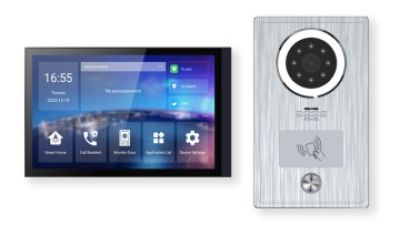
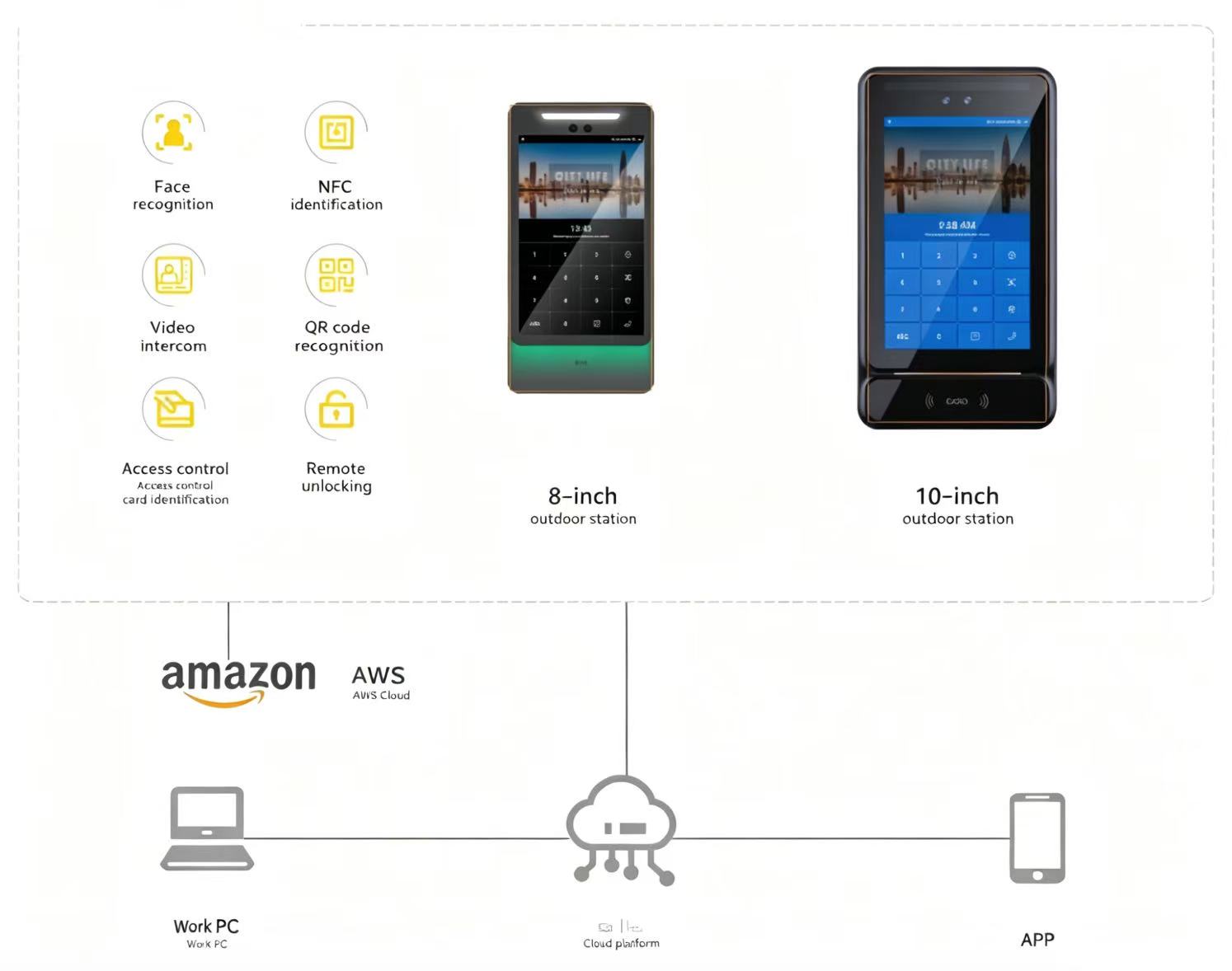
The 20I & DA-X2 10 Inch Smart IP Intercom Kit revolutionizes home communication with its user-friendly features and cutting-edge technology. Designed for effortless setup, this kit is plug-and-play, making it suitable for any homeowner looking to enhance their property’s connectivity. With one-touch calling, talking, and unlocking functionality, residents can easily connect with visitors at their door without the hassle of complicated devices. The intercom system connects to the internet via WiFi, allowing for seamless integration into any smart home environment.
Empowering users with remote access, the intercom kit also supports manual control through a dedicated smartphone app. This feature allows homeowners to monitor their entrance and communicate with guests from anywhere, providing peace of mind and an added layer of security. Whether at home or on the go, users can utilize cloud intercom capabilities to stay connected. Furthermore, the device operates on a standard Power over Ethernet (PoE) supply or through a DC 12V power source, offering flexibility in installation while ensuring reliable performance. This smart intercom solution caters to modern living, promoting convenience and safety in daily life.
FAQS
: It's a system that combines video capabilities and traditional intercom functions for real-time communication.
It uses Wi-Fi or cellular data, allowing remote access from devices like smartphones and tablets.
They include motion detection, two-way audio, and some even offer night vision for 24/7 use.
Users may experience connectivity issues, limited battery life, and privacy concerns with video recordings.
Wired systems provide stable connections with fewer interruptions but may require more challenging installation.
Limited battery life can disrupt continuous operation, requiring regular recharging or replacement, which users often overlook.
The decision depends on individual needs, weighing flexibility against reliability and installation challenges.
Yes, users must consider privacy when using video features, as recordings can lead to unintended exposure.
Yes, signal interference from other devices may disrupt communication, making it an important factor to consider.
Users must reflect on their specific needs, potential connectivity issues, and the balance between convenience and reliability.
Conclusion
The article explores the evolving landscape of Wireless Intercom Camera technology, highlighting its key features and benefits for modern communication needs. Users are encouraged to consider aspects such as video quality, range, and ease of integration when selecting a wireless intercom solution. The article also delves into the comparative advantages of wireless systems over traditional wired alternatives, emphasizing their flexibility and ease of installation.
Furthermore, it examines current market trends driving demand for Wireless Intercom Cameras, particularly in residential and commercial sectors. The maintenance and installation tips provided aim to support users in optimizing their intercom systems for longevity and performance. Overall, the insights shared will guide global buyers in making informed choices in the wireless intercom camera market.

 Instruction Manual